INDETERMINACY

INDETERMINACY

John Cage: Works on Paper

March 5 – April 22, 2026

WATCH THE VIDEOS

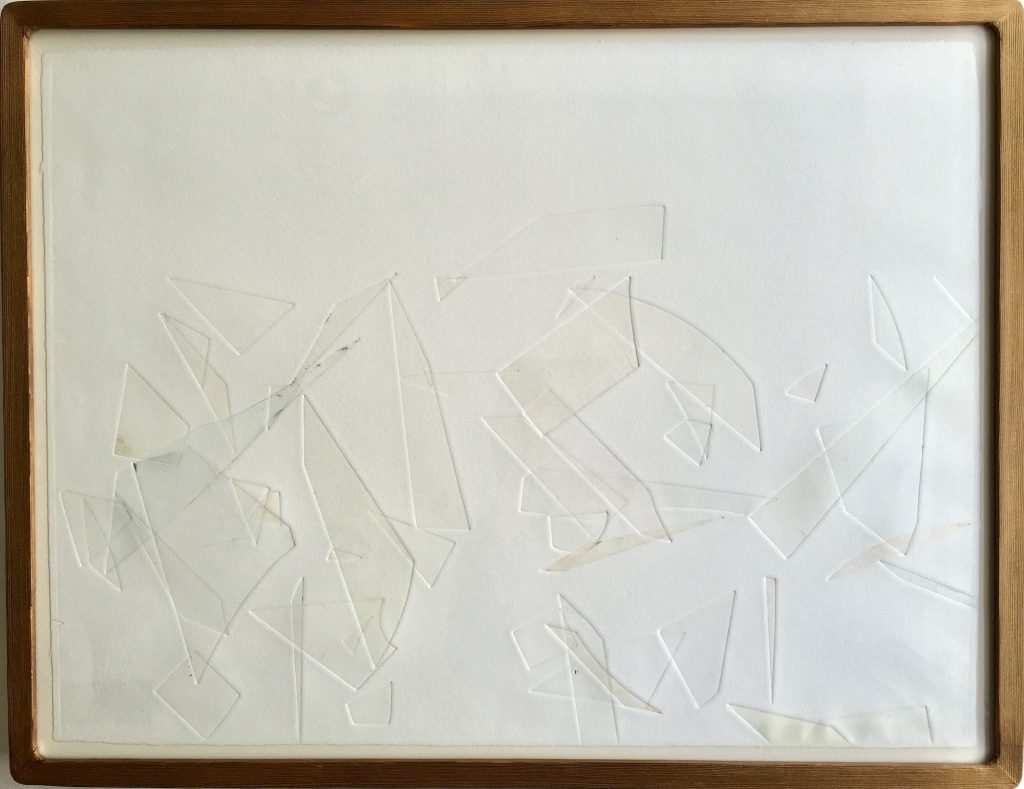
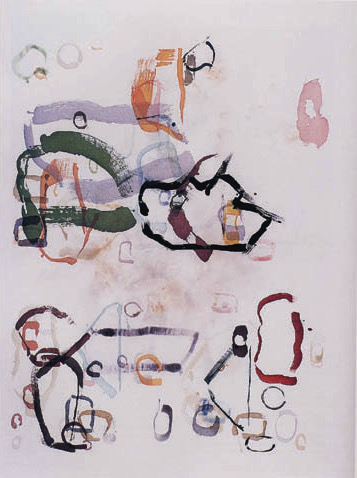
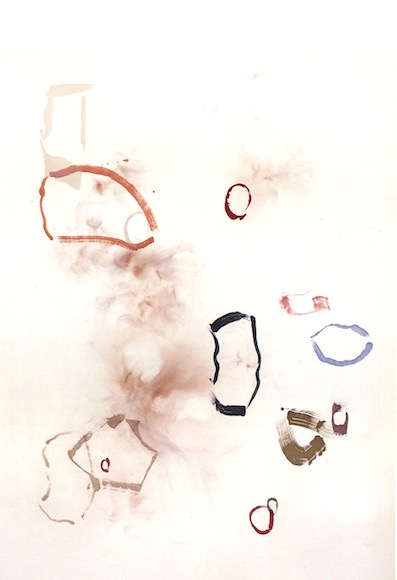
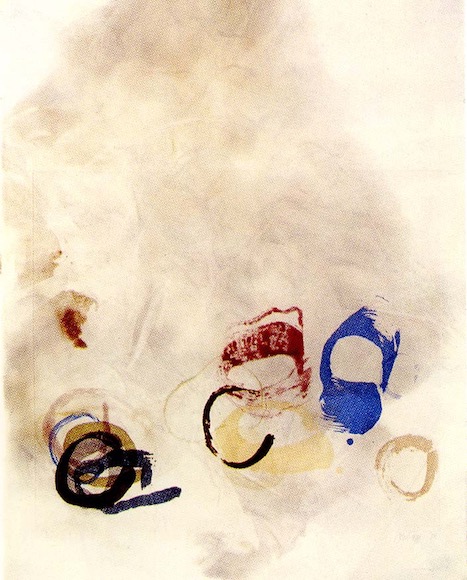
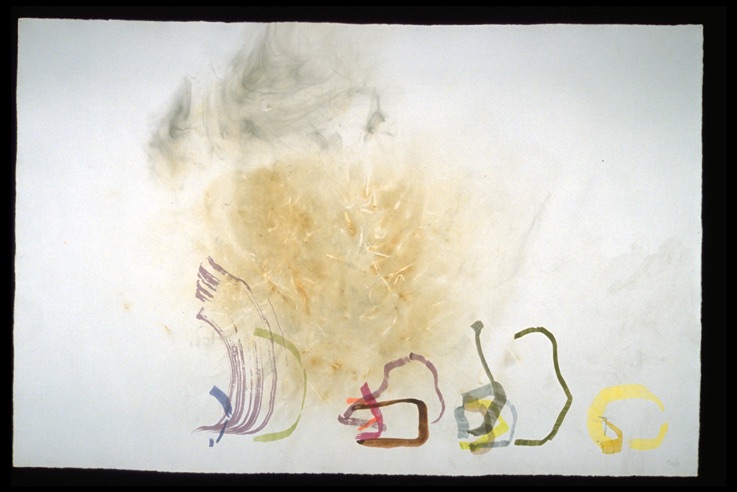
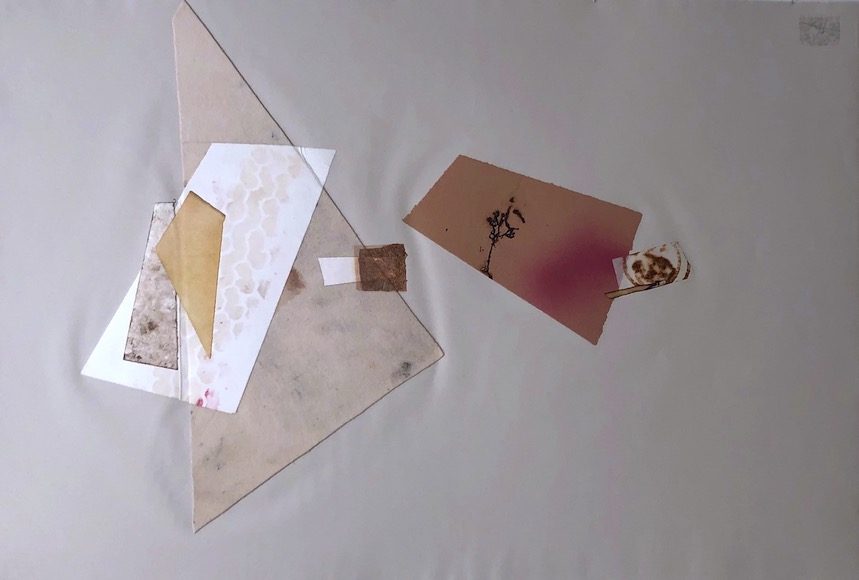
JENNIFER BAAHNG is pleased to present INDETERMINACY, an exhibition featuring a carefully curated selection of John Cage’s most influential works on paper. The exhibition examines Cage’s deliberate, neutral approach to removing personal bias from the creative process. The concept of silence, embodied in INDETERMINACY, is conveyed through visual representations that reflect Cage’s broad philosophical views.

John Cage’s engagement with Gertrude Stein’s work spanned his entire career, beginning with his early musical settings of her poems in the 1930s and evolving into a philosophical connection to her ‘landscape’ approach to language. He believed that meaning was flexible, often using words beyond their usual senses. This perspective created a surface of sound and text characterized by a non-hierarchical structure. Immediate perception, similar to Stein’s ‘continuous present,’ aimed to immerse the audience in the world as it is, removing symbolic baggage from art.

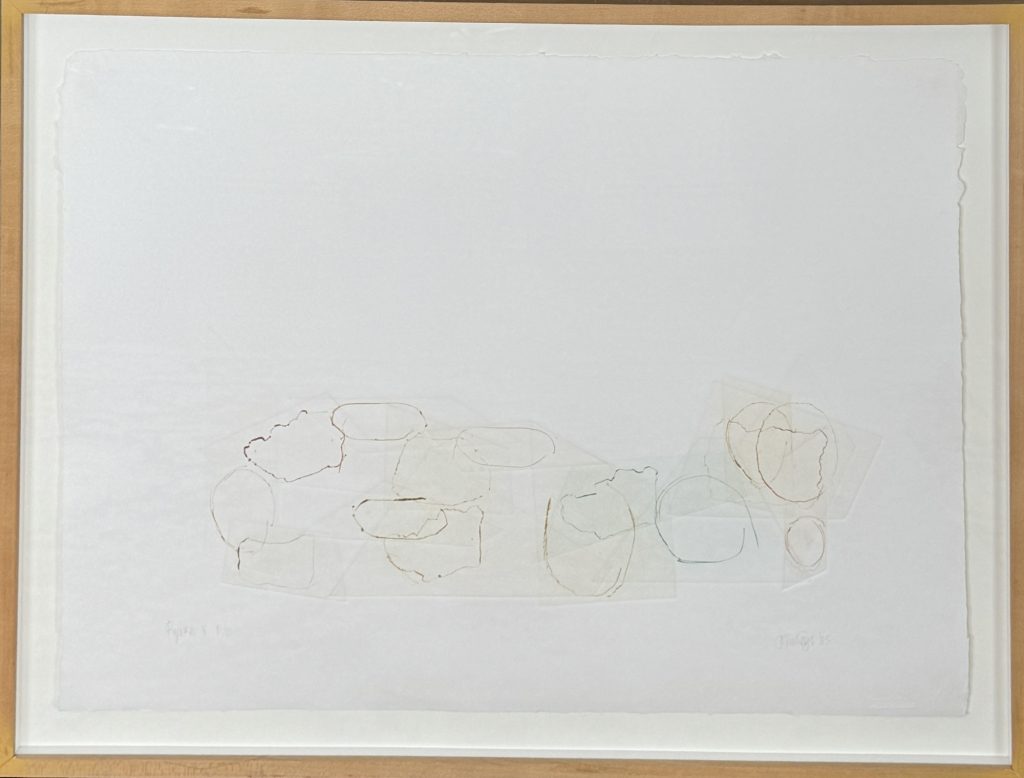
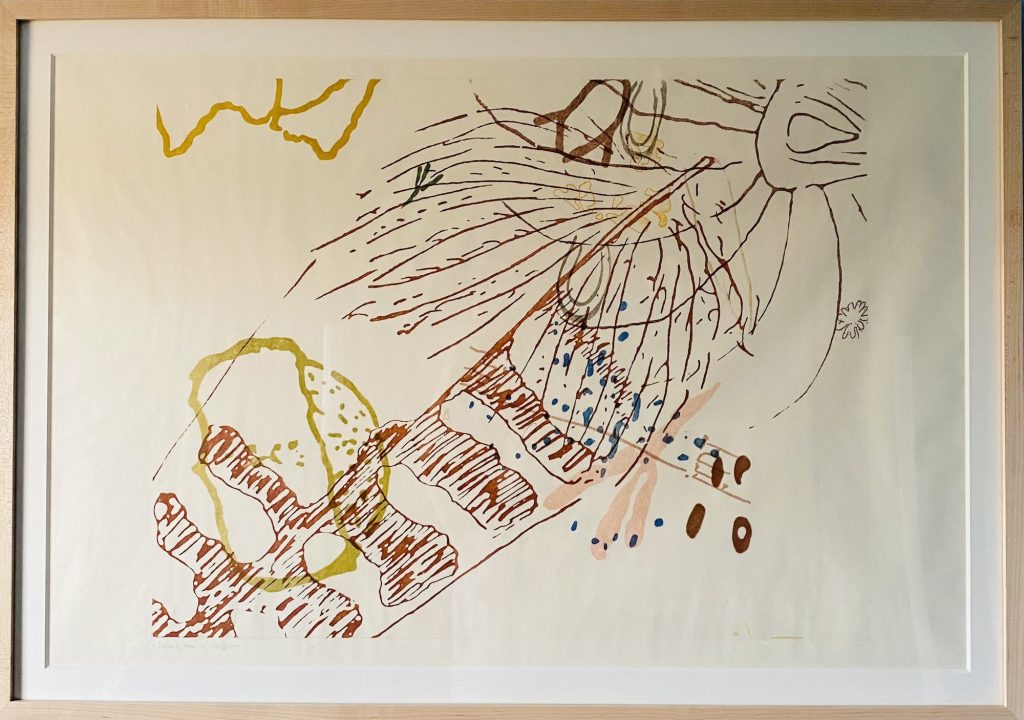
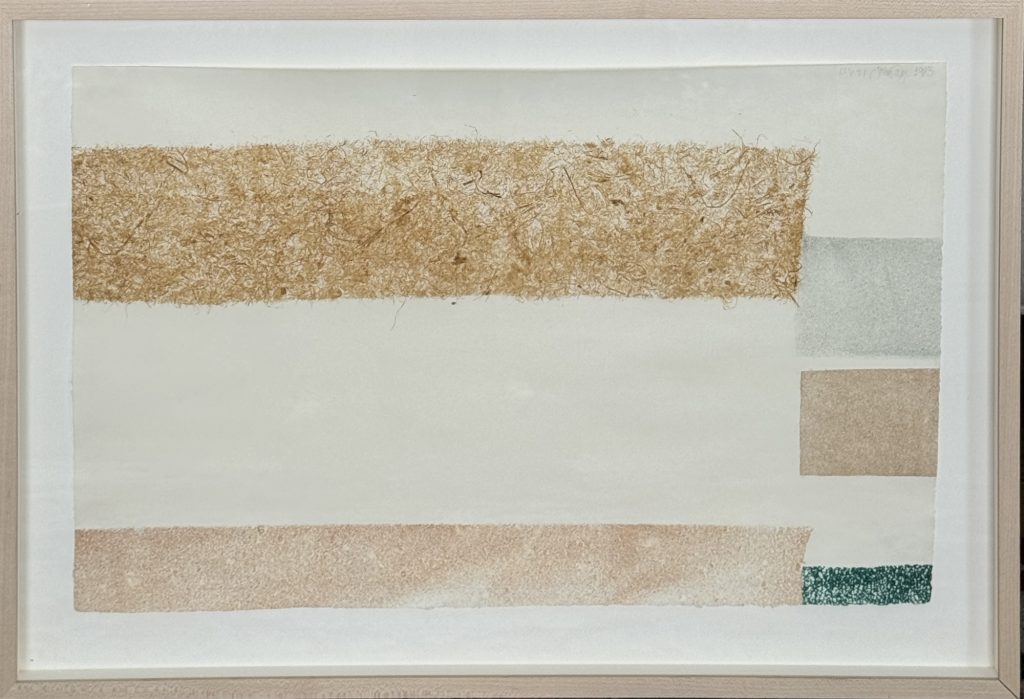
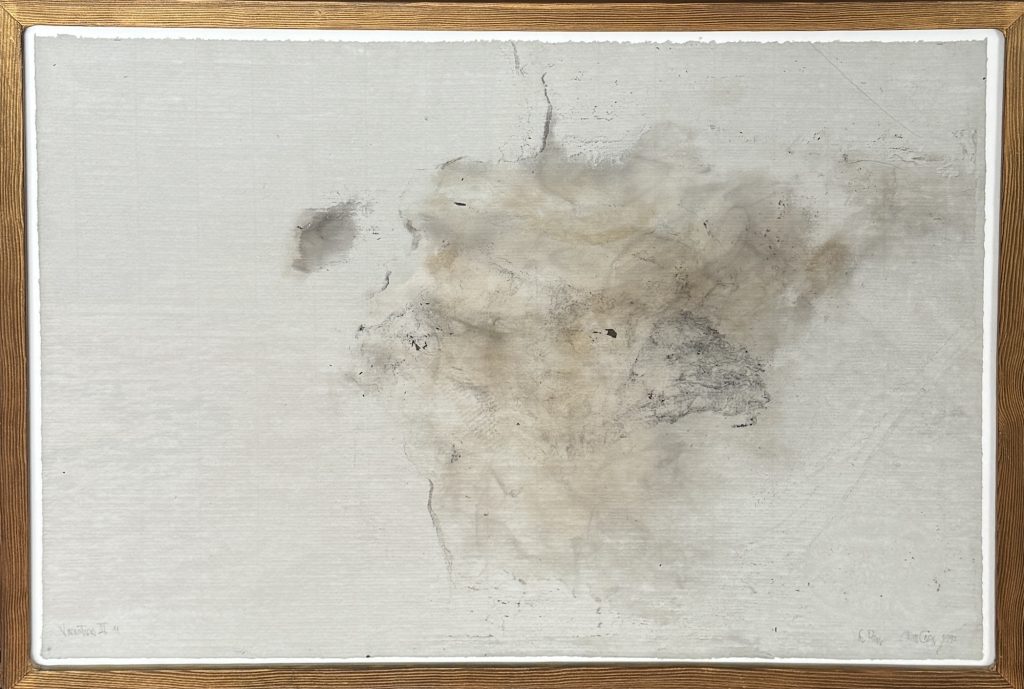
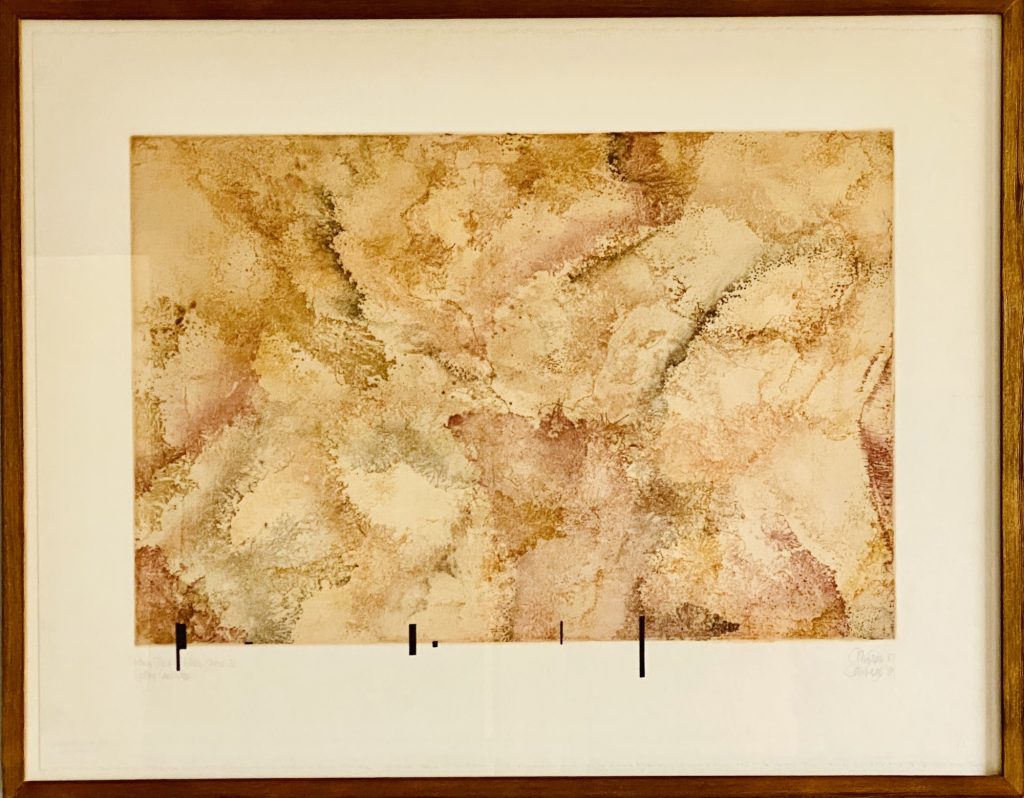
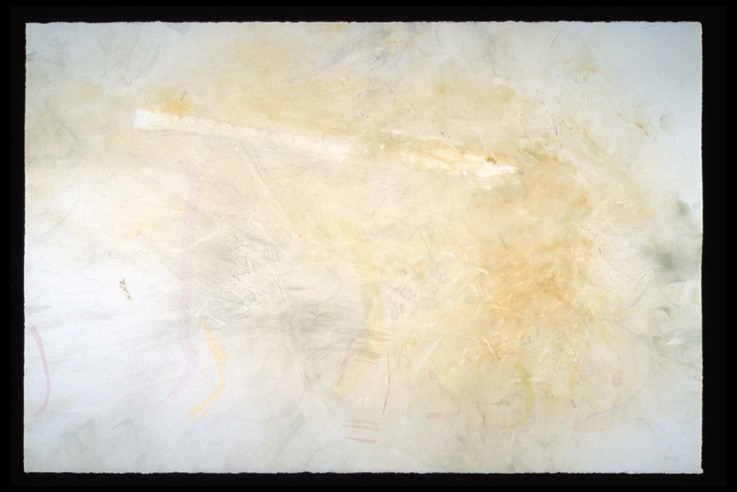
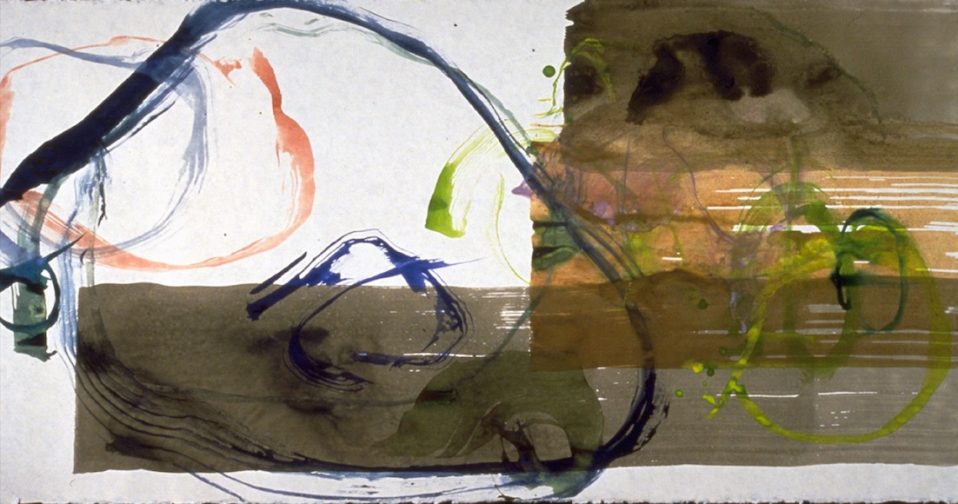
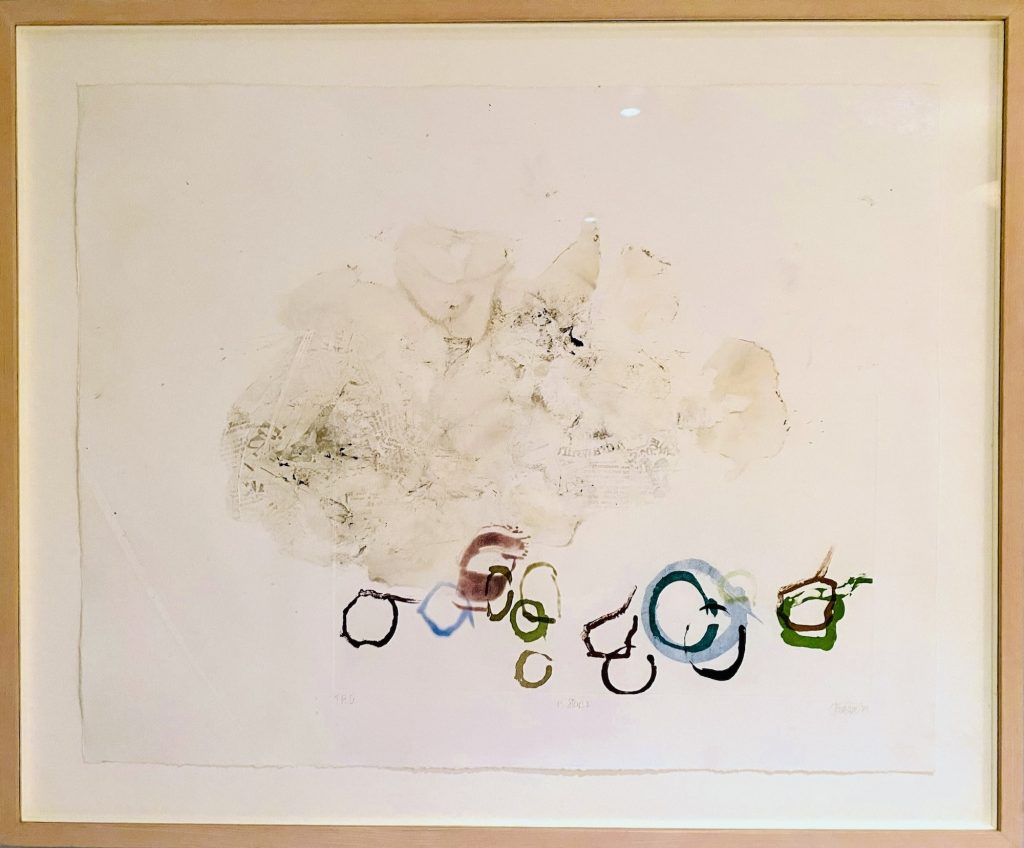
John Cage used the I Ching to determine the sequence of plates, ink colors, and placement, freeing the artist’s imagination. The tension between effort and randomness remains evident throughout his work. “Changes and Disappearances No. 21” (1980), which required hundreds of iterations, and “Where There Is Where There Is – Urban Landscape No. 31” (1987, 1989), establish a visual language reflecting Cage’s interest in Stein’s writings, creating a surface with fluid and undecided meaning. “11 Stones 2” (1989) and “On the Surface” (1980-1982) highlight Cage’s collaboration with natural elements. “HV #21” (1983) explores a landscape of chance, delving into the horizon of indeterminacy. Using smoke and fire during the paper preparation in “Variations III No. 11” (1992), Cage allows the environment to influence the printmaking process. The resulting images serve as atmospheric echoes of the I Ching process, not depicting stones but traces of a performance involving a stone, a flame, and a piece of paper.

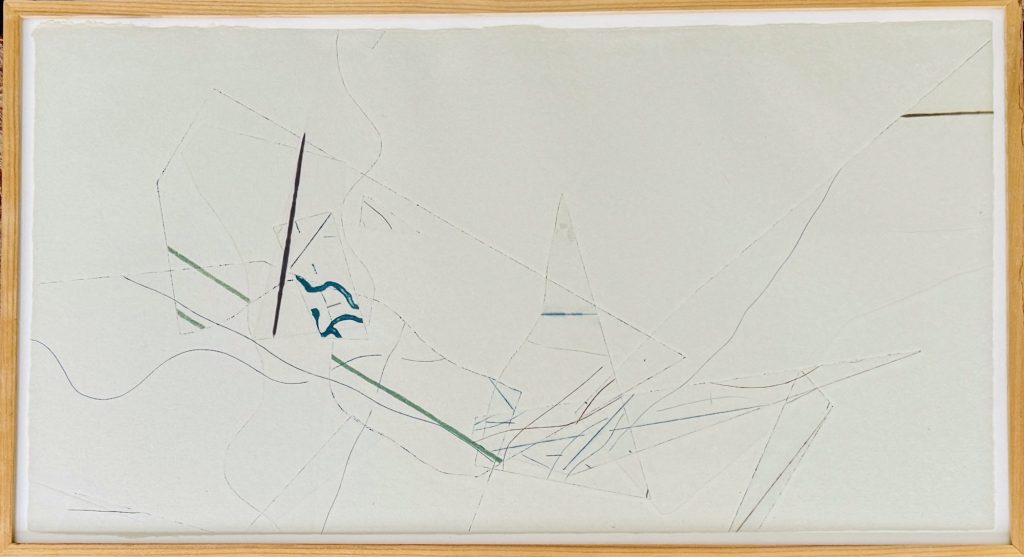
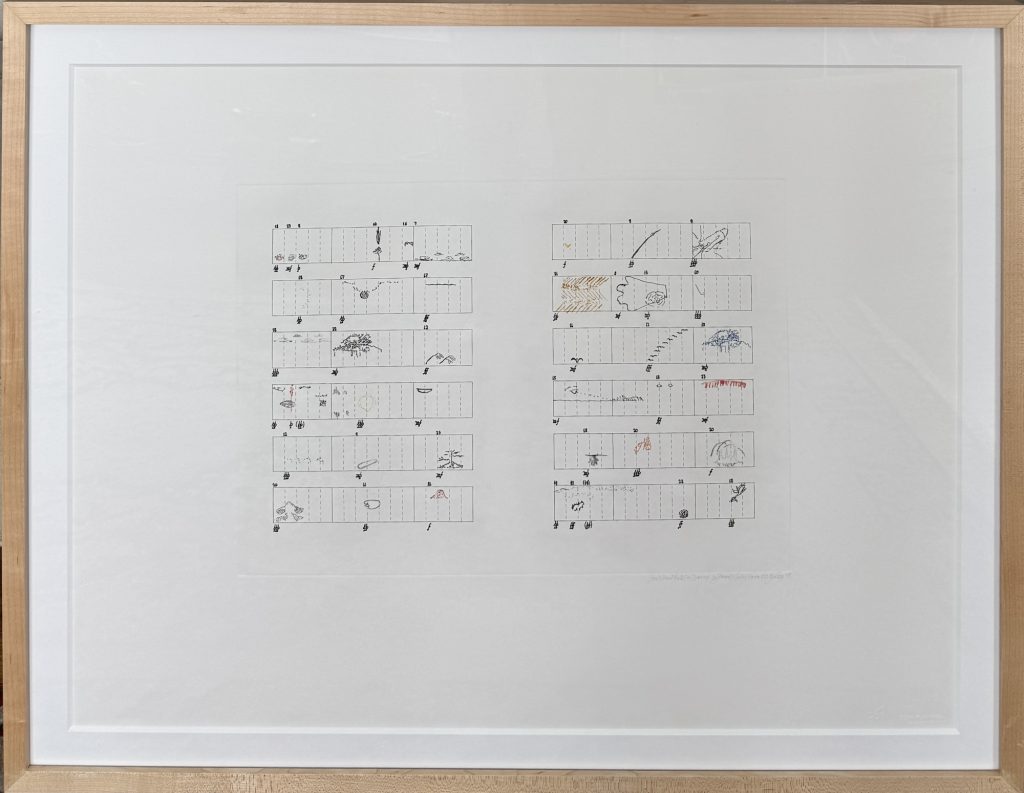
The entire series of the thirteen “Ryoku” suite (1985) illustrates Cage’s shift from traditional composition to a method centered on disciplined randomness. These works highlight a unique variation in the process, focusing on the detailed complexity of drypoint marks and showcasing a precise, systematic approach. Using the I Ching, Cage created a visual environment where marks do not simply express emotion; instead, they occupy space in a neutral, objective way.

While John Cage used the term to describe his 1959 collection of 90 stories,  Indeterminacy is a fundamental element of his visual art practice. Cage’s works on paper serve as musical scores with graphic notation. These scores are indeterminate in performance and open to multiple interpretations. In this exhibition, chance refers to the random methods used in composition, while indeterminacy signifies the open-ended nature of the final work. By removing the self from the center of the artwork, John Cage invites us to see the paper as a window into a constantly changing yet still present world. INDETERMINACY aligns closely with his intention, as the works rely on chance to shape their unconstrained final form.

ARTIST

John Cage

Categories: exhibitions

Tags:

JOHN CAGE

John Cage

John Cage

John Cage (1912–1992) was a titan of the American avant-garde who dissolved the boundaries between music, visual art, and philosophy through a lifelong commitment to chance operations and Zen-like egoloss. Initially famous as a musical “inventor,” Cage revolutionized the 20th-century soundscape by creating the prepared piano—placing bolts and screws inside the instrument to alter its timbre—and composing the infamous 4’33”, which framed ambient silence as music. In the latter part of his career, he seamlessly translated this “indeterminacy” to the visual arts, producing a vast body of roughly 900 works including intricate etchings at Crown Point Press and experimental watercolors at the Mountain Lake Workshop. Whether tracing stones in his Ryoanji drawings, “smoking” paper with open flames, or using the I Ching to determine the placement of a musical note or a brushstroke, Cage’s multi-disciplinary legacy remains a singular pursuit of finding beauty in the unplanned and the everyday.

Related

INDETERMINACY

INDETERMINACY

John Cage: Works on Paper
March 5 - April 22, 2026
The Power of Randomness

POWER OF RANDOMNESS

July - September, 2025
John Cage and Nam June Paik, early 1970s

CAGE NAM JUNE: A Multimedia Friendship

Curated by Kenneth Silverman
October 5 - November 3, 2006
John Cage: Works on paper, Opening, Talks and Readings

JOHN CAGE: Works on paper

May 7 - June 18, 2004

Categories: artists

Tags:

SALLY EGBERT

SALLY EGBERT

Sally Egbert

SALLY EGBERT

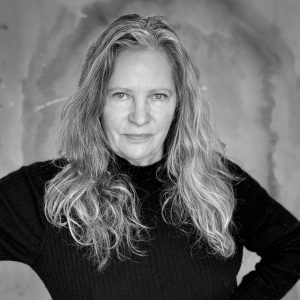
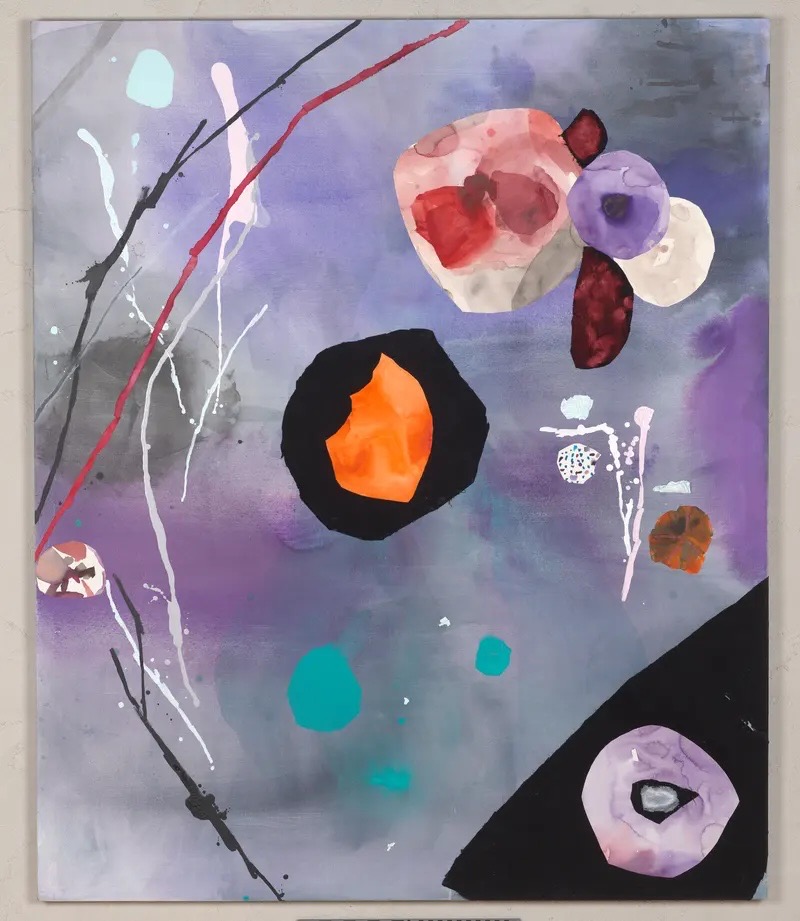
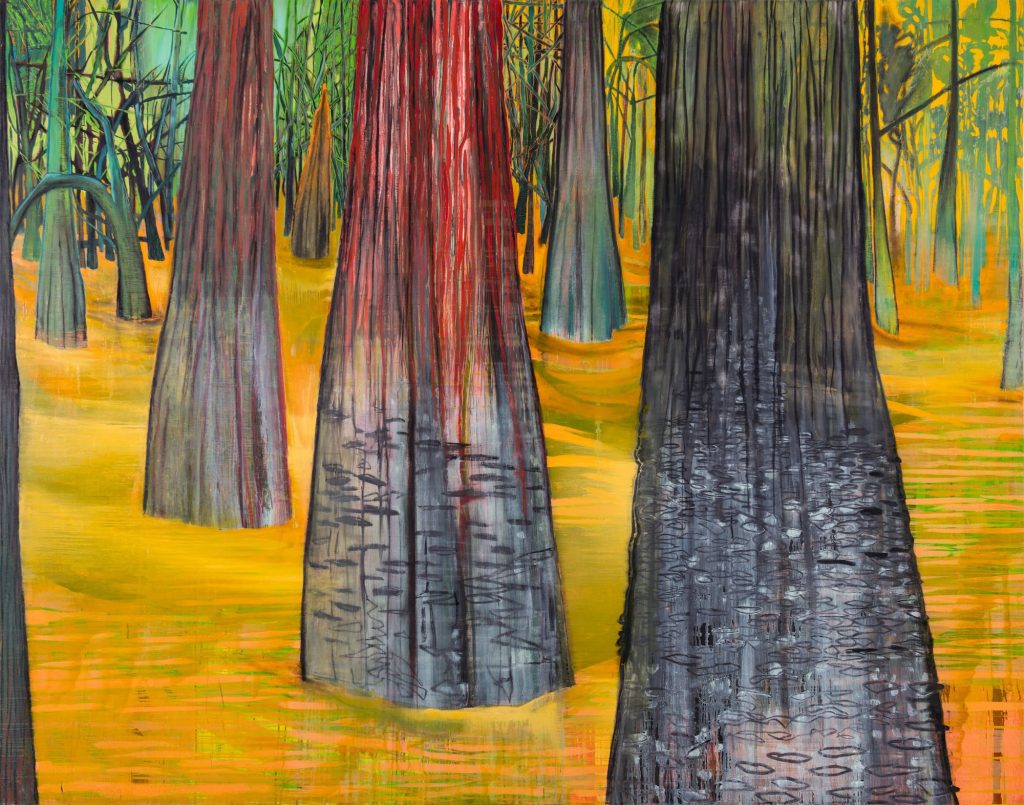
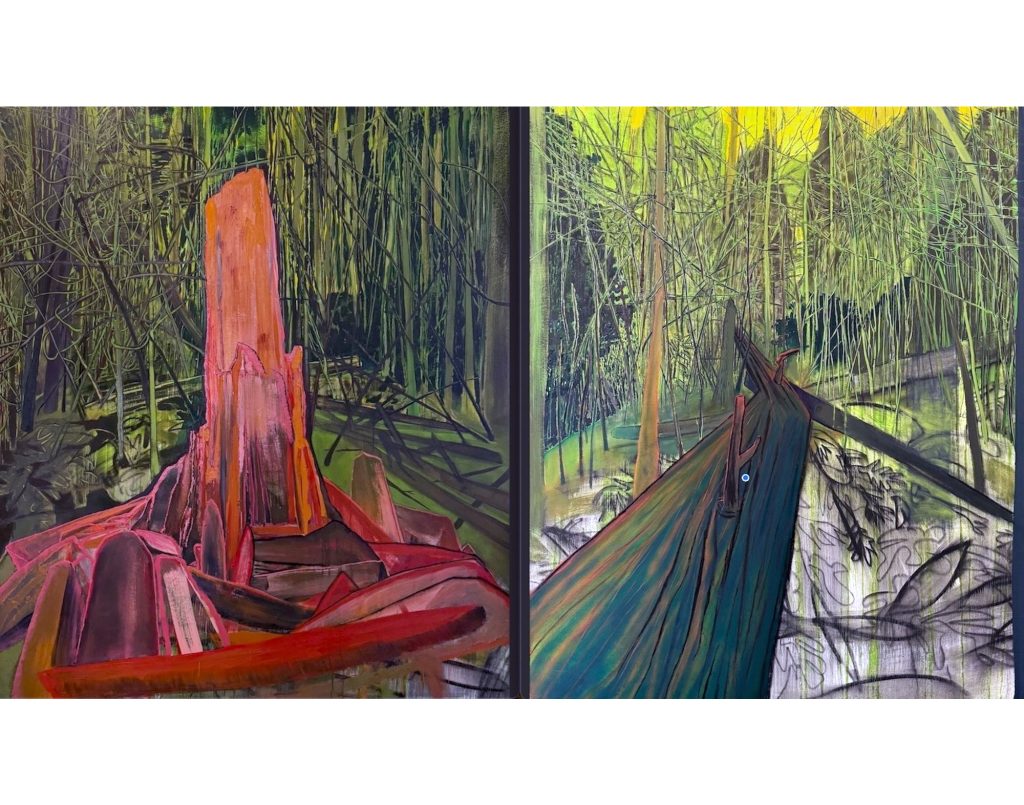
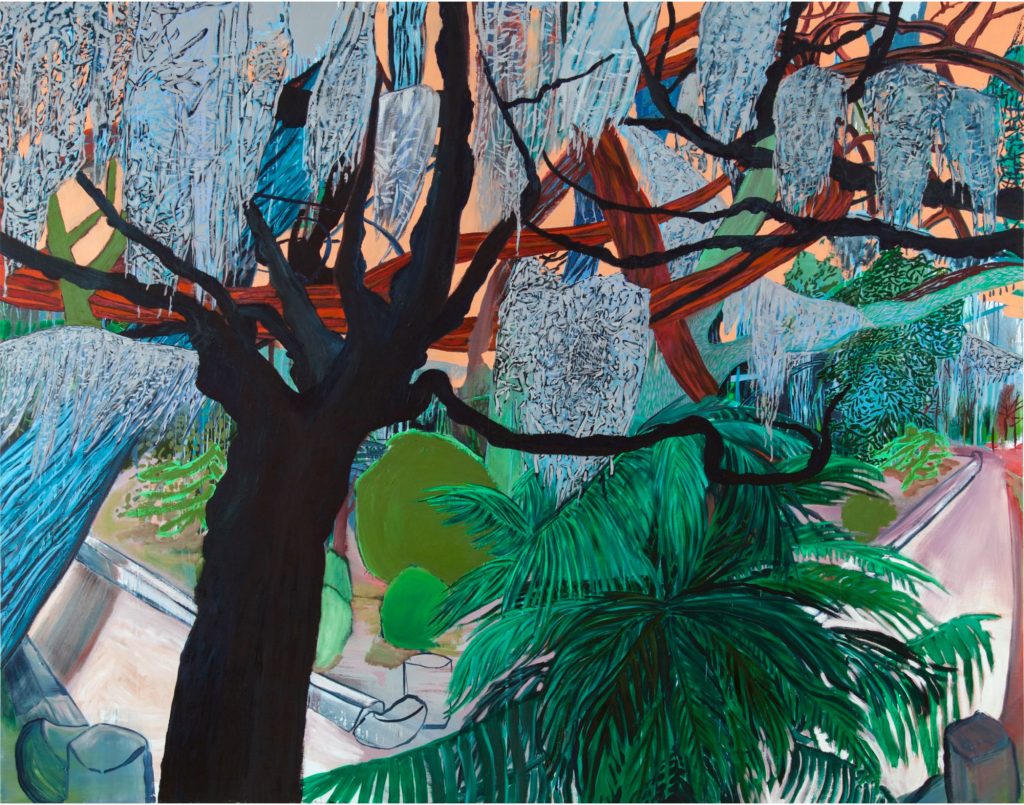
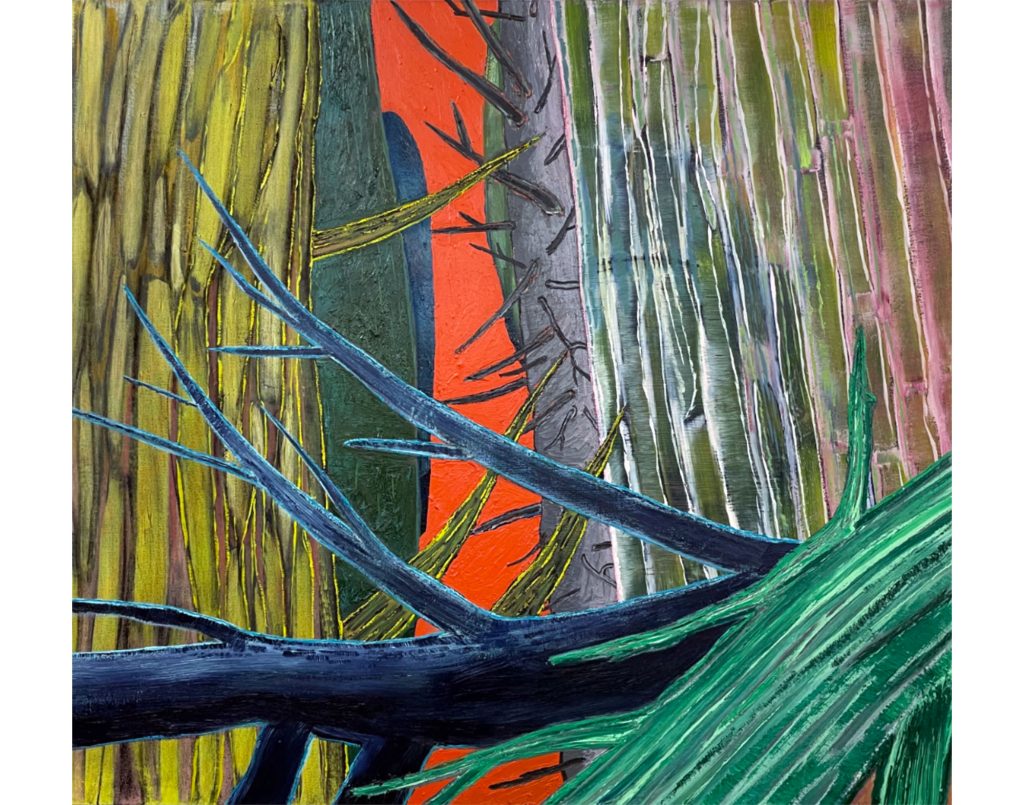
Sally Egbert (b. 1958) is a New York-based artist. For over three decades, she has been making paintings, drawings, and installations. Her work is primarily abstract, loosely inspired by natural observations. Egbert studied at SUNY, New Paltz. She is a recipient of grants from the Pollock-Krasner Foundation, the Gottlieb Foundation, and the New York State Foundation for the Arts. She has shown nationally and internationally. Her work is in several collections, including the Tucson Museum of Art, Tucson, Arizona; the Progressive Insurance Collection; and the Colby College Museum of Art, Waterville, ME, gift of the Alex Katz Foundation. Reviewing Egbert’s work in Art in America, Eileen Myles notes, “Sally Egbert’s oil paintings are as hypnotic as aquariums…(her) chief concern seems to be pinpointing distinctions to name the moment in color and space.” Glenn O’Brien, in a catalogue essay, describes Egbert’s work: “These magical tableaux conjure dream states outside of experience and history, but they seem to evoke not what has happened, but what will happen–a balance of a state that we have experienced and one that we are moving toward with the attraction of sublime unknowns.” Sally is currently a studio member of the Elizabeth Foundation for the Arts in New York City.

Related

Categories: artists

Tags:

Sally Egbert on view at The Colby College Museum of Art

colby logo

EVERYDAY DEVOTIONS: GIFTS FROM THE ALEX KATZ FOUNDATION AND BEYOND

February 12, 2026–May 31, 2026

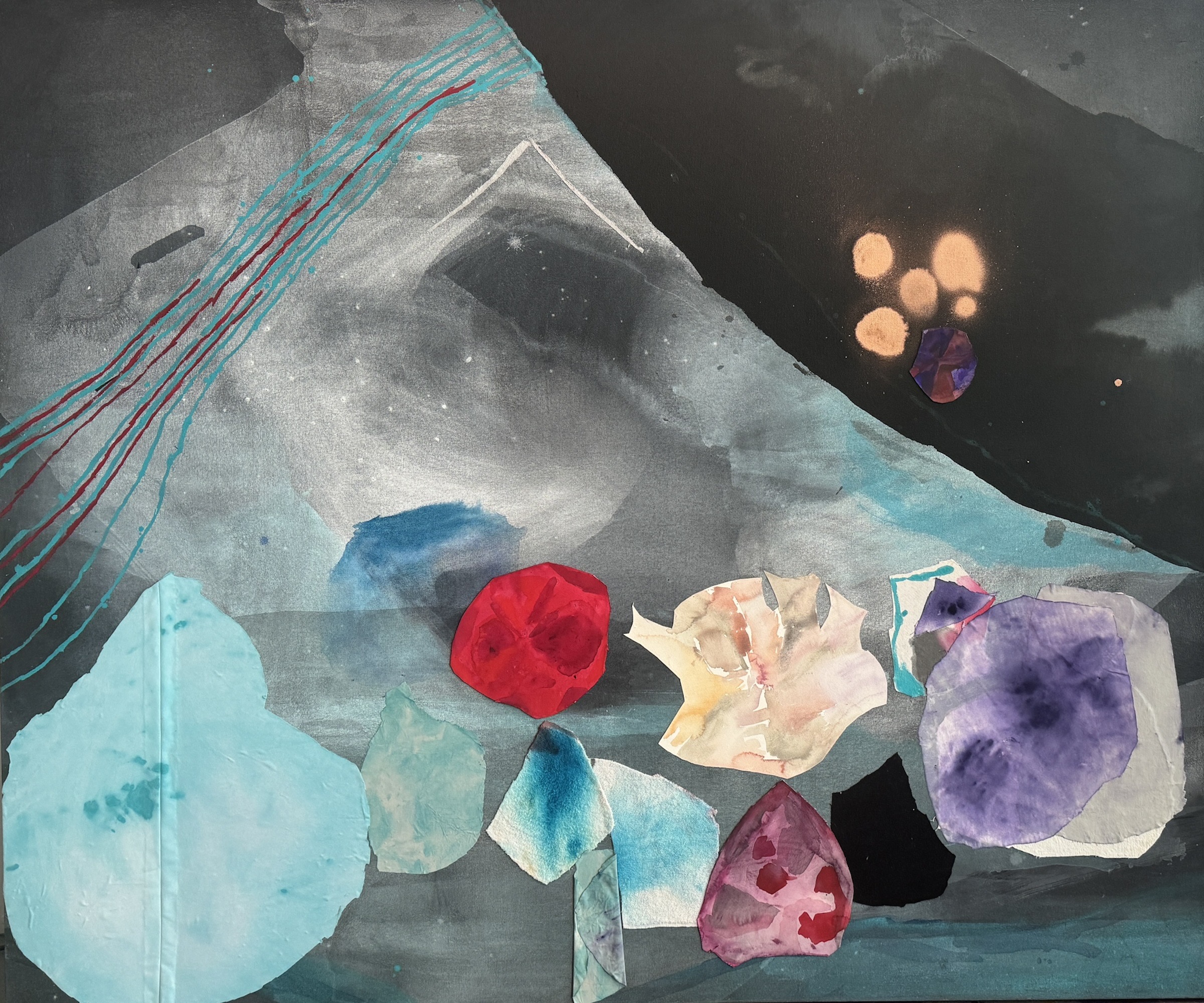
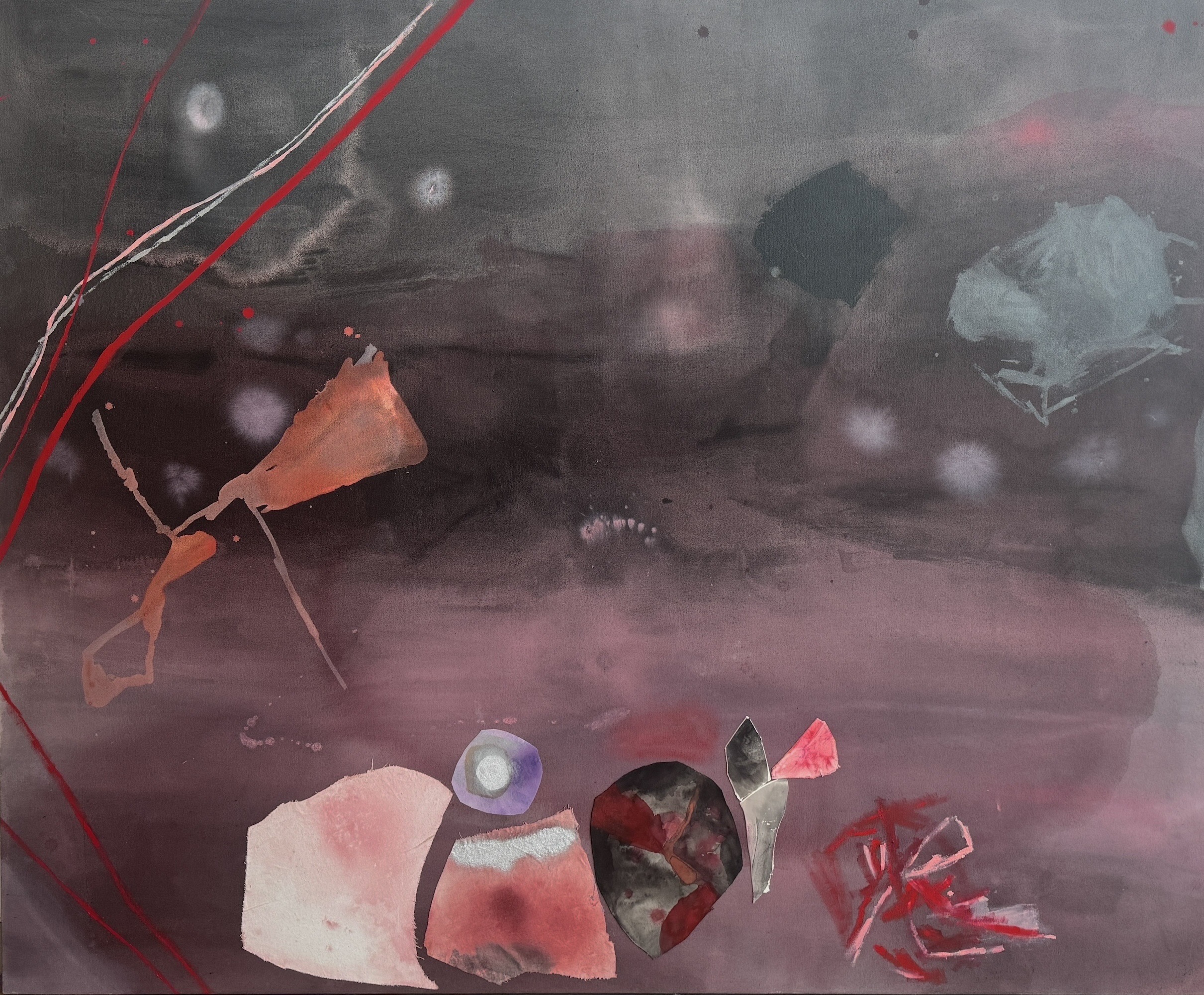
Everyday Devotions: Gifts from the Alex Katz Foundation and Beyond  brings together more than forty works by twenty-five artists who have embraced collage as a medium or a conceptual strategy in their work. The exhibition features transformative gifts—ranging from traditional cut-paper collages to paintings, textiles, sculptures, and assemblages—from the Alex Katz Foundation alongside additional key works drawn from the museum’s collection. Emphasizing tactile sensibilities and material diversity, the exhibition foregrounds collage as both a vehicle for serious artistic inquiry and an accessible form of expression—one that can inspire creativity anywhere from the studio to the classroom to the kitchen table.  Works by artists include Lynda Benglis, Francesco Clemente, Sally Egbert, Alex Katz, Elizabeth Murray, Robert Rauschenberg, Dana Schutz, and Bob Thompson.

Artist:

SALLY EGBERT

Related

Categories: news

Tags:

Jorge M. Pérez Collection showcases Janet Taylor Pickett at Centro Andaluz de Arte Contemporáneo

Jorge M. Pérez Collection showcases Janet Taylor Pickett at Centro Andaluz de Arte Contemporáneo

Jorge M. Pérez Collection showcases Janet Taylor Pickett at Centro Andaluz de Arte Contemporáneo

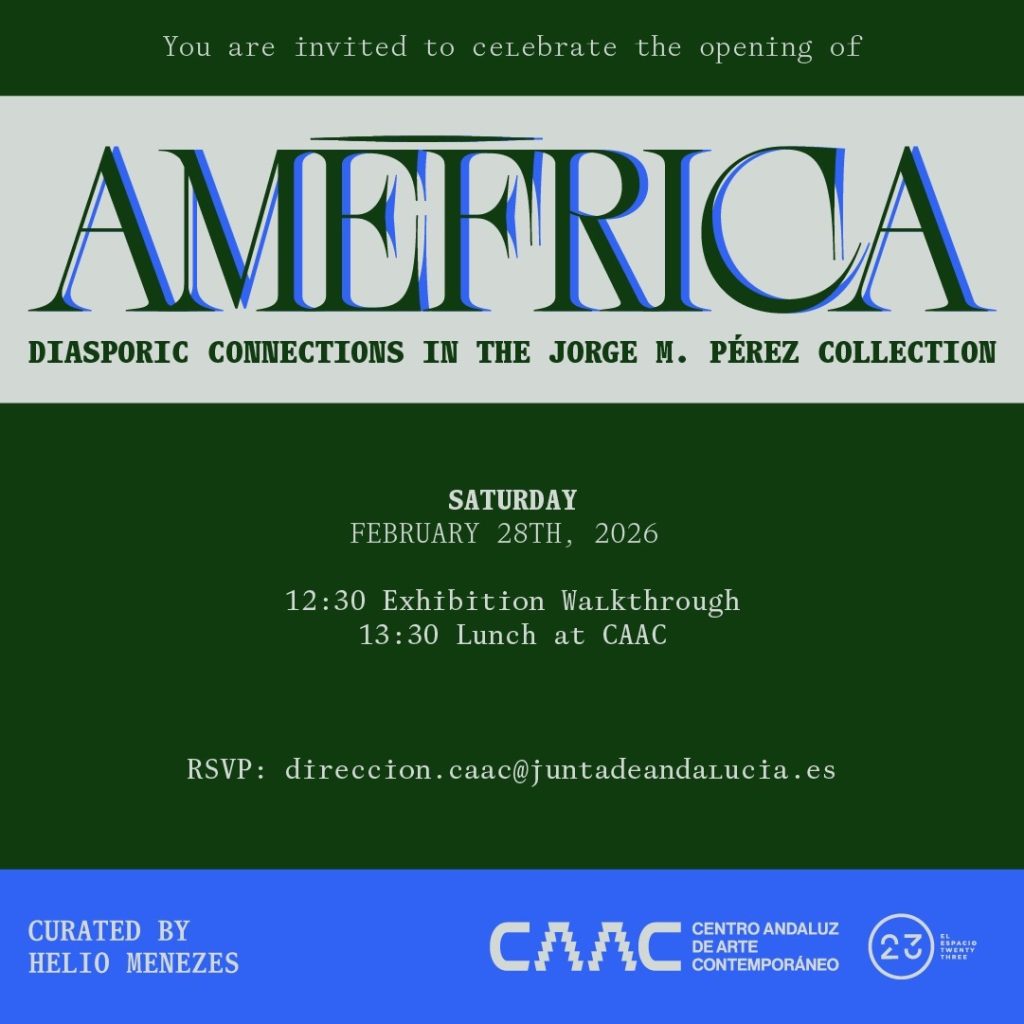
‘Once in a Blue Moon,’ 2020 by Janet Taylor Pickett, will be included in Améfrica: Diasporic Connections in the Jorge M. Pérez Collection, an exhibition curated by Hélio Menezes and inspired by the conceptual framework developed by Lélia Gonzalez (1935–1994). Organized by the Jorge M. Pérez Collection and El Espacio 23, the exhibition will be shown at the Centro Andaluz de Arte Contemporáneo in Seville, Spain, with the opening celebration scheduled for February 28, 2026. The exhibition brings together artists from across the American and African continents whose practices explore shared histories, resonances, and transmissions—both ancestral and generational—across the Black Atlantic.

Related

Janet Taylor Pickett

Janet Taylor Pickett

CONJURE
October 13 - November 30, 2025
Sue McNally Jaye Moon Janet Taylor Pickett

PARADE

June 2025
Janet Taylor Pickett Memory of Water II, 2021 Acrylic and collage on canvas 40 x 40 inches

JANET TAYLOR PICKETT

The Selma Burke Invitational African American Art Show
May 30 - June 29, 2025
Janet Taylor Pickett Entering the Gee’s Bend, 2013 Acrylic, gouache, watercolor, graphite, photos on Arches paper 30 x 22 in.

JANET TAYLOR PICKETT

April – May, 2025
TRANSPACIFIC: LOVE DIFFERENCE September 3 – November 2, 2024 HANNAM, SEOUL

TRANSPACIFIC: LOVE DIFFERENCE

Sept 3 - Nov 2, 2024
GANGNAM, SEOUL PERFECT LOVERS August 16 - October 19, 2024

TRANSPACIFIC: PERFECT LOVERS

Sept 5 - Oct 19, 2024

Categories: news

Tags:

Jaye Moon’s interview in the Fall 2025 Prattfolio

pratt logo

Jaye Moon’s interview in the Fall 2025 Prattfolio.

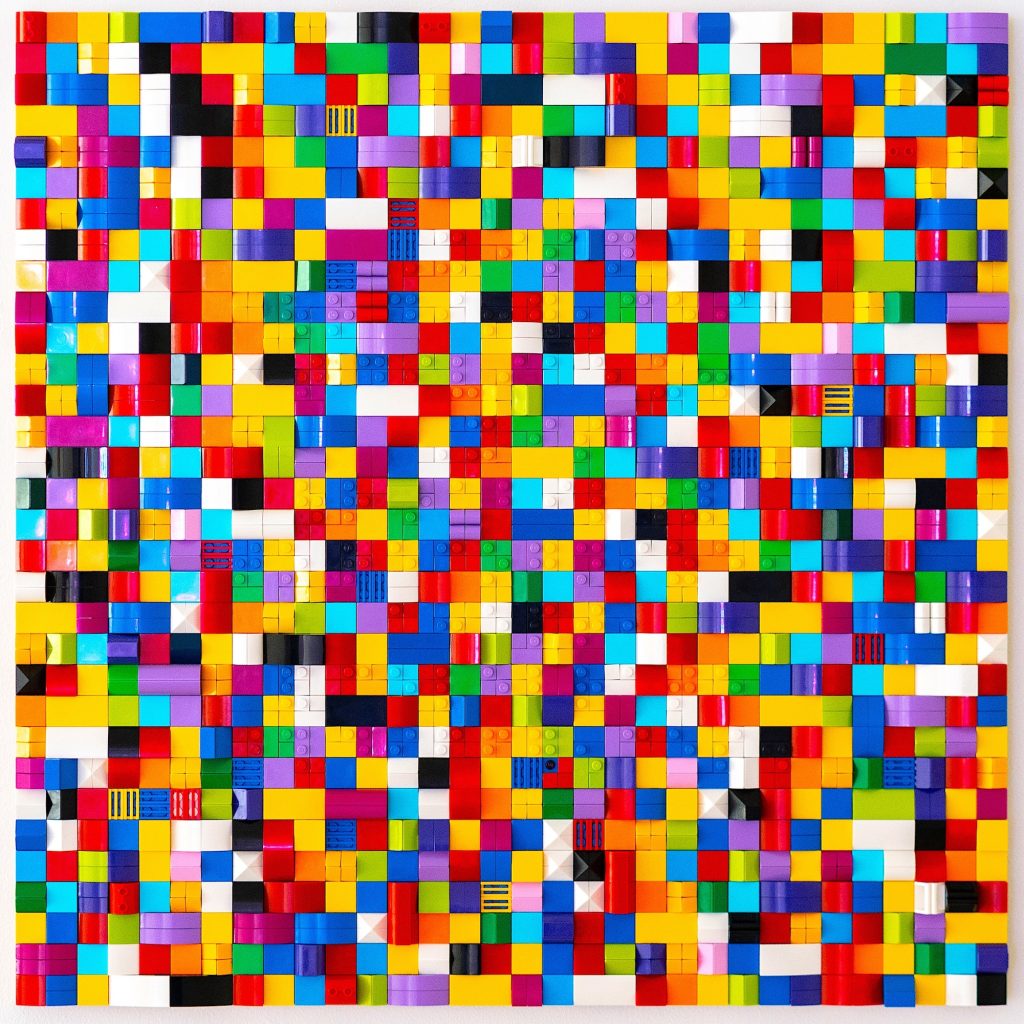
“In her tactile Lego Braille paintings, artist Jaye Moon, MFA Fine Arts ’94, creates sensory experiences that connect people across languages and experiences.”

Fall 2025 Prattfolio, the magazine of Pratt Institute, features an interview titled ‘Bringing Touch and Vision Brick by Brick’ with gallery artist Jaye Moon and her tactile Lego Braille paintings. Two works mentioned in the article, “Blow’ in the Wind” and “Our Difference,” are currently on display at the Pratt Institute Libraries on the Brooklyn campus.

Related

Categories: news

Tags:

R.C.Baker is the keynote speaker at the Ukrainian Museum

THE UKRAINIAN MUSEUM

Date: Friday, November 7, 2025

Time: 6:00 PM – 9:00 PM

Location:

THE UKRAINIAN MUSEUM

222 EAST 6TH STREET

NEW YORK, NEW YORK 10003

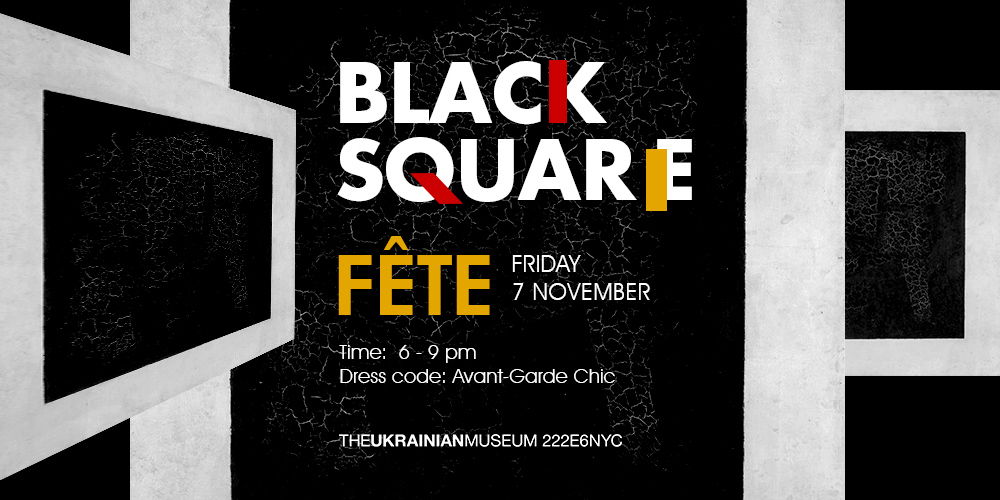
The Ukrainian Museum announces the inaugural Black Square Fête, an avant-garde celebration honoring the visionary legacy of Kazimir Malevich. This exclusive event will bring together art patrons, collectors, and cultural leaders for an unforgettable evening of creativity, innovation, and philanthropy. The guest of honor, R.C. Baker, will deliver the keynote speech, sharing the story of the Black Square painting and its creator’s influence on the global art scene. The evening will end with a grand auction featuring exclusive art experiences and specially created artworks inspired by Malevich’s iconic Black Square. Artists such as Peter Halley, Maya Hayuk, Misha Tyutyunik, and Synchrodogs will present unique pieces created specially for this occasion. All proceeds from the Black Square Fête will support the preservation of the Museum’s historic building (home since 2005) and its acclaimed cultural programs, including KOLO and SHKOLA, which nurture the next generation of artists and cultural thinkers.
Related

R. C. Baker TRACED AND PLATED

R. C. Baker

TRACED AND PLATED
November 10 - December 30, 2025
Madison Ave New York Picasso, Welcome to America June 15 – July 31, 2023

PICASSO, WELCOME TO AMERICA

June 15 – Sept 27, 2023
Pitches & Scripts

PITCHES & SCRIPTS

Group Exhibition
January 20 - March 11, 2023
RC Baker: Noise for Signal

R.C. BAKER: Noise For Signal

May 24 - June 30, 2018

Categories: news

Tags:

R. C. Baker

R. C. Baker TRACED AND PLATED

WE ARE THE LAND

R. C. Baker

Traced and Plated

November 10 – December 30, 2025

WATCH THE VIDEOS

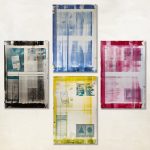
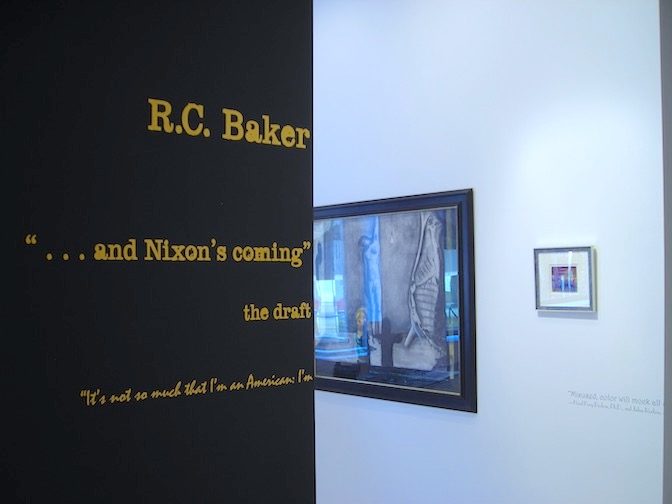
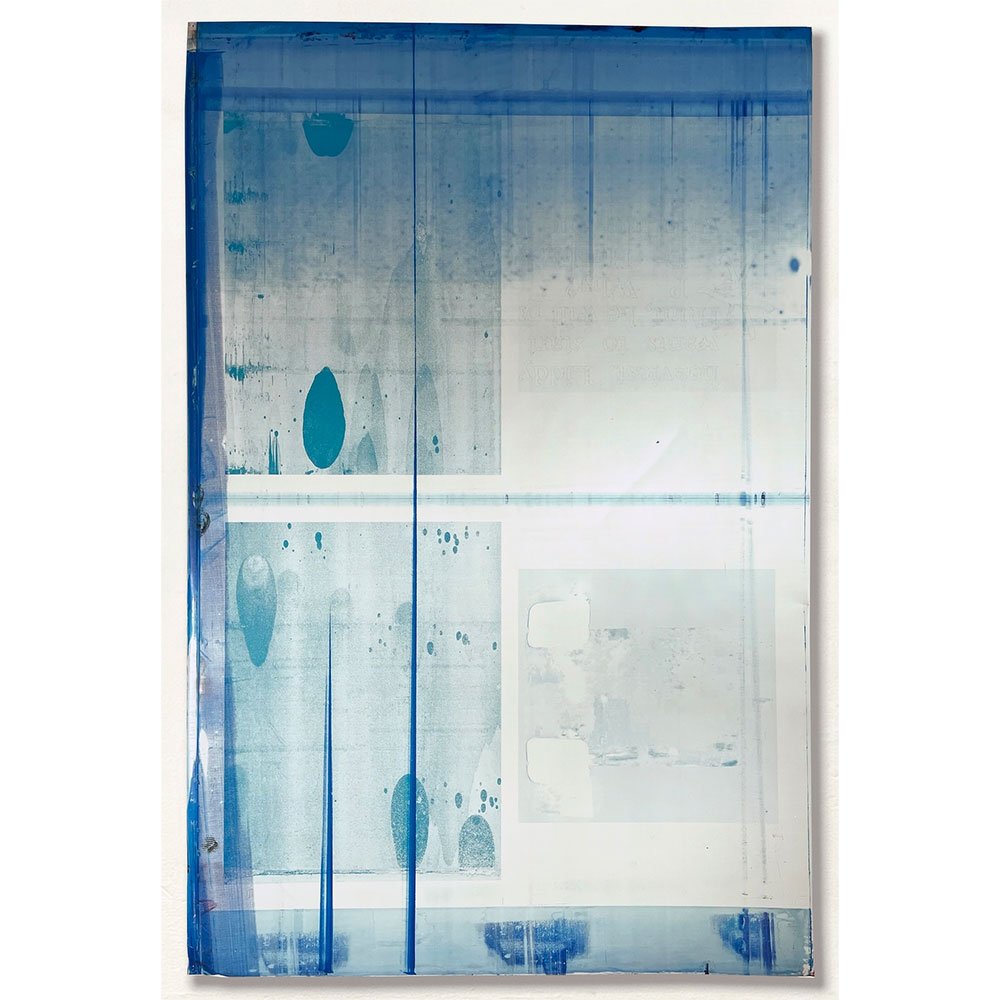
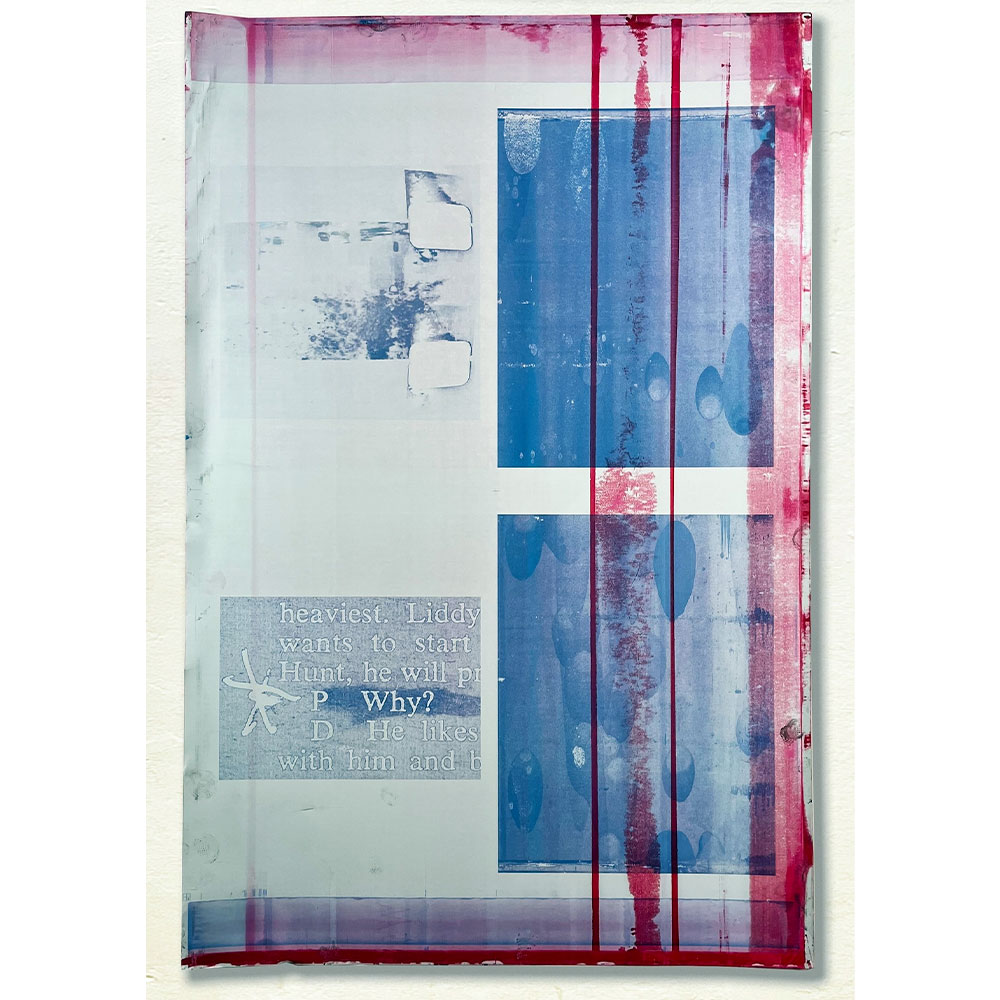
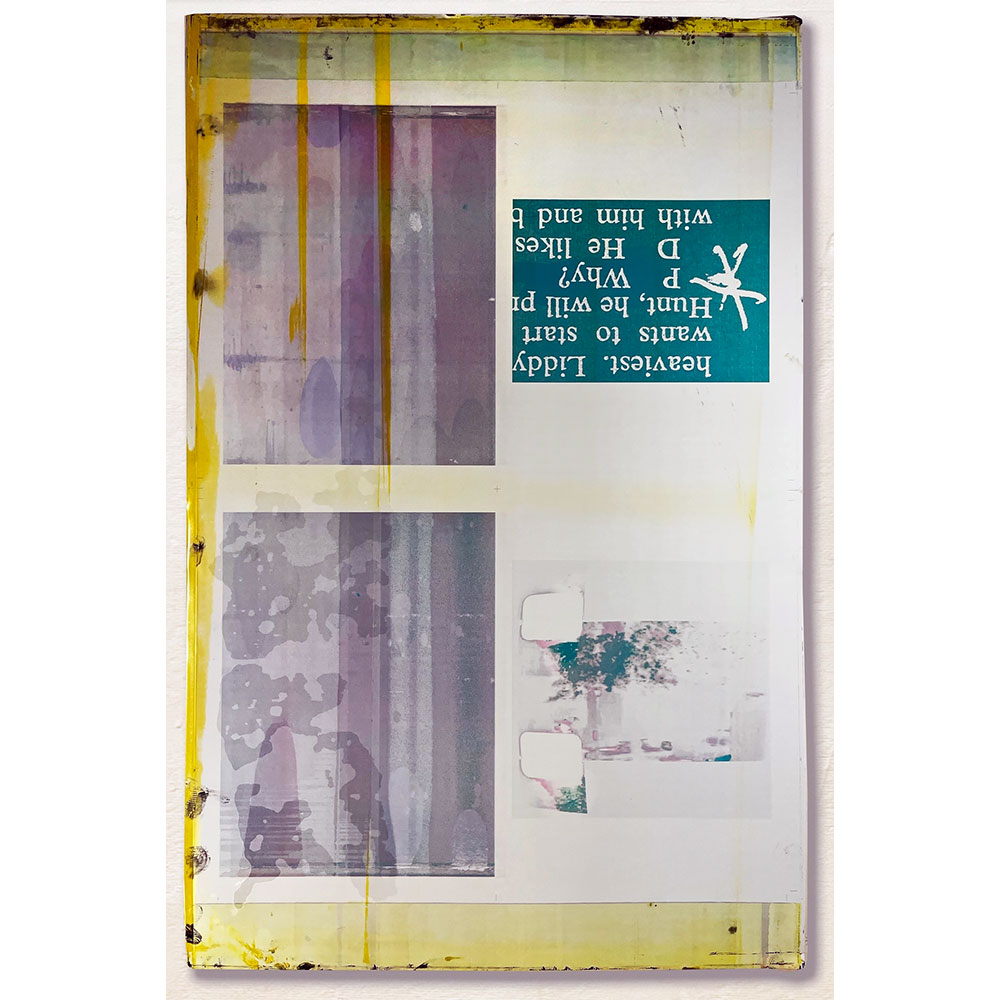
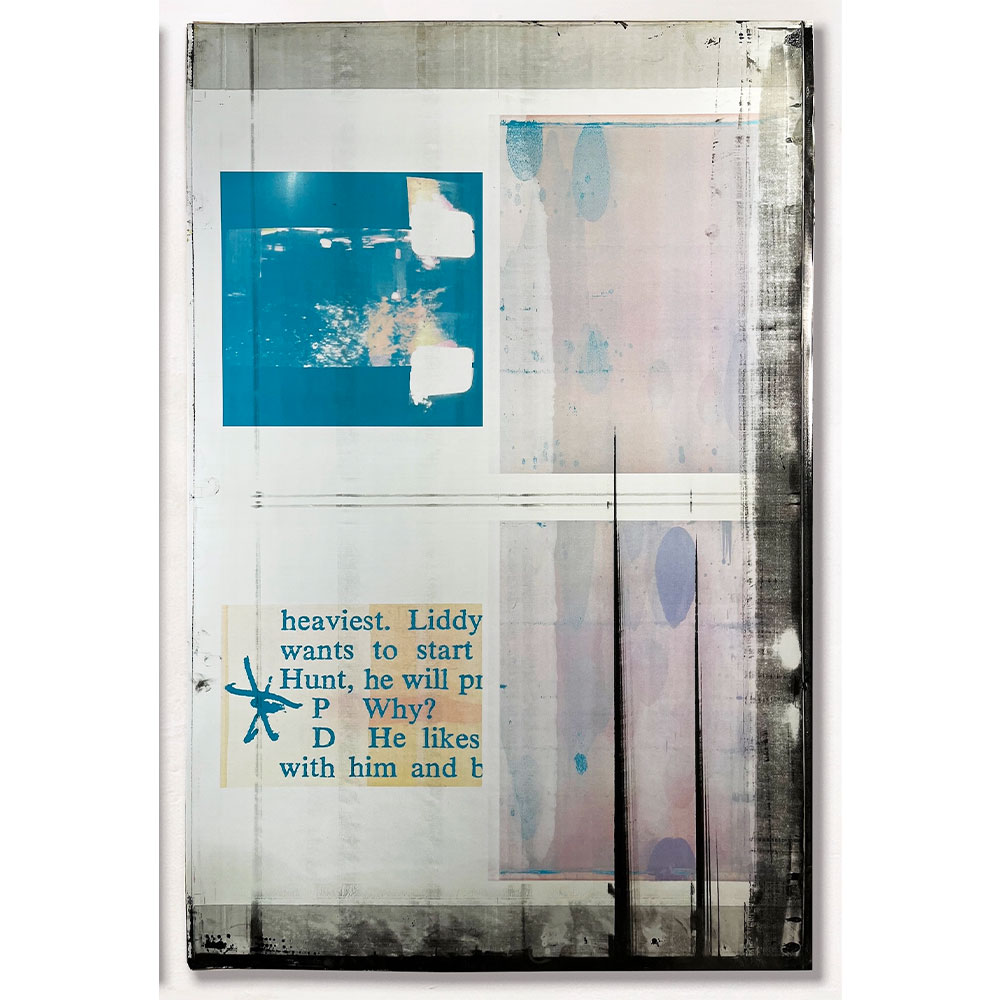
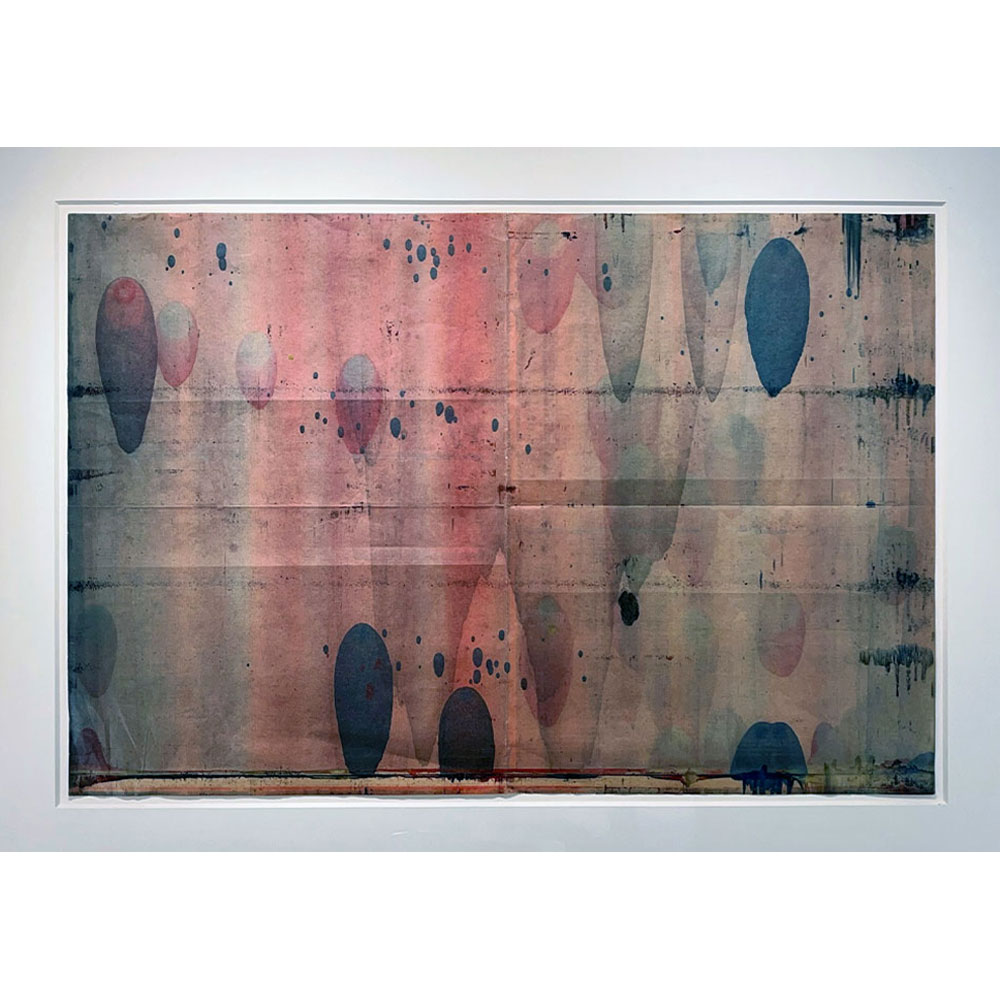
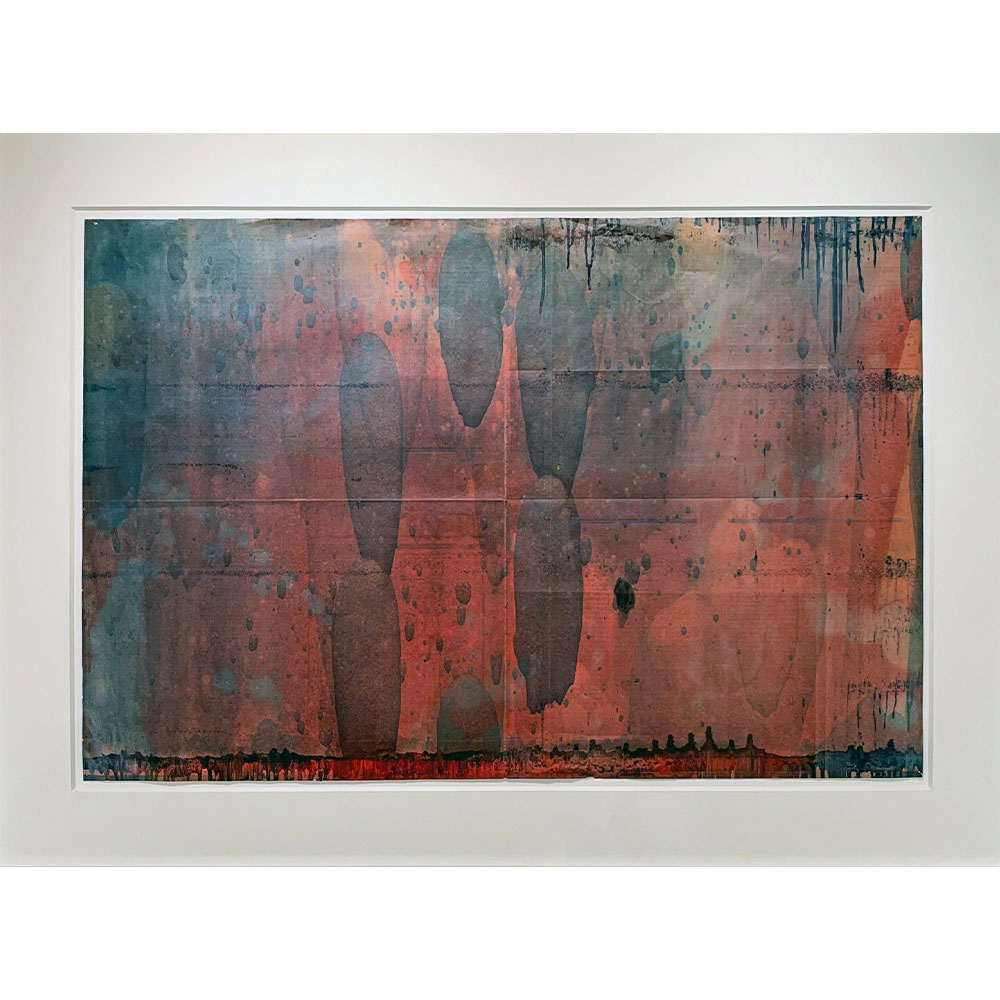
“Traced and Plated,” part of a curatorial initiative by JENNIFER BAAHNG titled “WE ARE THE LAND,” showcases the repurposing and transformation of discarded remnants of mass media, providing a compelling reflection on how human actions leave imprints and scars on the land we occupy. R.C. Baker’s newspaper monoprints and printing plate works affirm the enduring vitality of painting by integrating new materials, repurposing physical printing media, and challenging the landscape genre within contemporary art.

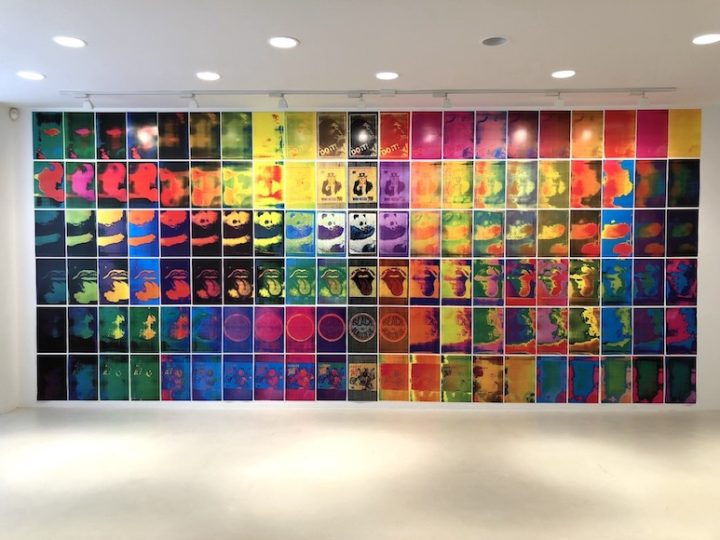
Baker’s “Jornada Del Muerto” monoprints were begun in the early 2000s, when high-speed newspaper presses were being cleaned with solvent sprays by pressmen anxious to start a new press run. As the press cylinders slowed, the solvents spread. When they mixed with the remaining inks, the articles, graphics, and halftone photos that were originally being printed for the Village Voice Literary Supplement were transformed into bulbous blurs of irradiated color, creating serendipitous abstractions on the last few pages as the huge presses ground to a halt.

Baker transferred these sheets to his studio, and in 2008 completed them by adding titles — Jornada del Muerto +250,000 Years and Jornada del Muerto +400,000 Years — that arose from his research into atomic bomb tests and nuclear waste repositories in the deserts of the American Southwest. These titles (English translation, “Journey of the Dead Man”) refer to a desolate yet majestically bleak desert landscape in New Mexico.

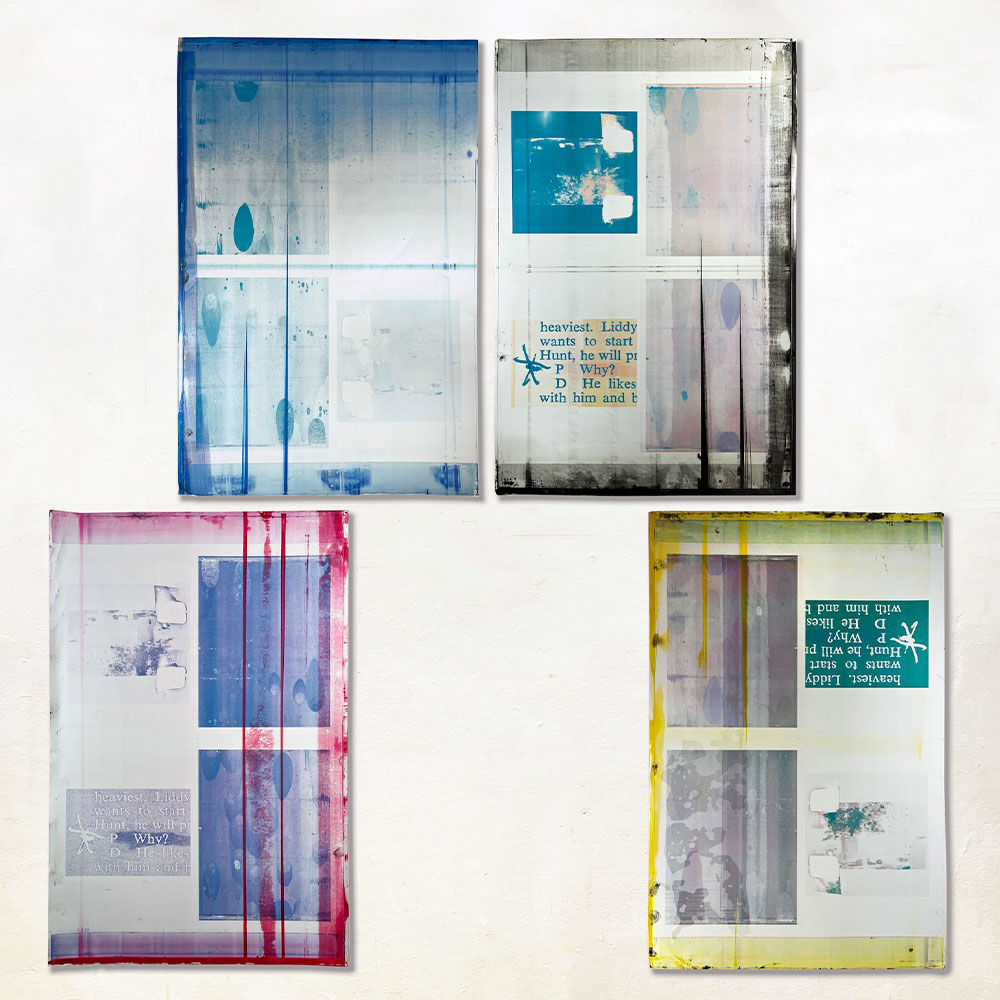
A decade later, Baker printed a tabloid newspaper, “President: ‘Why?’”, which served as a catalog for a 2018 exhibition, and realized he could create a conceptual loop by reproducing in it one of the “Jornada” abstractions. For those two pages in the tabloid he added magenta to emphasize the long-term irradiation of the desert, caused by the half-lives of nuclear elements in fallout from weapons testing and in the radioactive waste being stored in vast subterranean chambers in the Southwest. The four printing plates that had been utilized to print the tabloid’s “Jornada del Muerto +250,000 Years” spread — covered with inks and solvents in uncontrolled and unpredictable manners — became ready-made artworks, despite the pressmen viewing them as suitable only for recycling the aluminum substrates. These two pages were complemented by another set featuring images such as an existential quote from President Nixon—“Why?”—and a frame from Abraham Zapruder’s 8mm film of the JFK assassination. The vibrant, lava-lamp-like blobs of color evoked a title combining tragedy and elegance: “Zapruder Rising,” a collection of four plate paintings.

“Traced and Plated” affirms that the material history of our media is deeply connected with the ecological future of the earth. Our industrial endeavors have left enduring marks of control, extraction, and waste on the land. By presenting a novel and compelling visual framework in contemporary art, where material and aesthetic intent converge into a unified art form, the exhibition extends beyond a historical perspective. It contextualizes present ecological challenges, including severe land and water contamination and the significant impacts of climate change, and elucidates the intrinsic link between media cycles, materials, and ecological realities in a new genre of landscape paintings. “WE ARE THE LAND: Traced and Plated” emphasizes the abstract beauty and residual history embedded within the artwork, encouraging reflection on the land we inhabit, as both chroniclers and bearers of scars.

ARTIST

R. C. Baker

Categories: exhibitions

Tags:

Janet Taylor Pickett

Janet Taylor Pickett

Janet Taylor Pickett

CONJURE

October 13 – November 30, 2025

WATCH THE VIDEOS

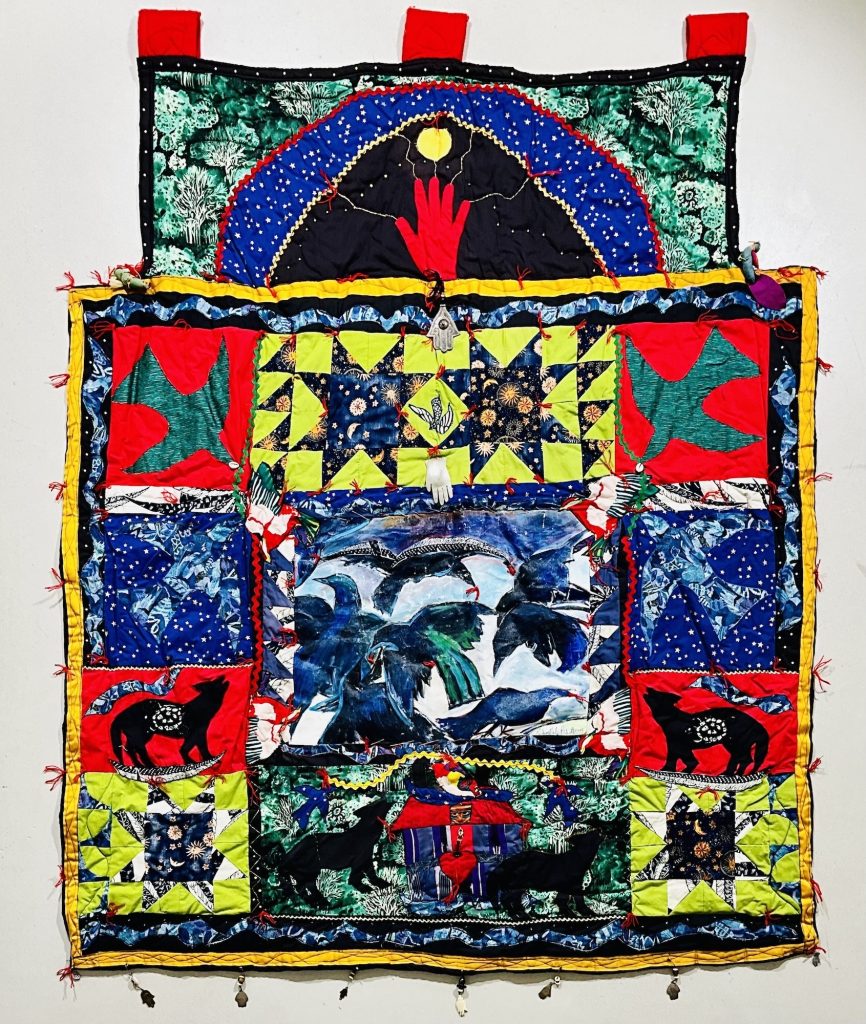
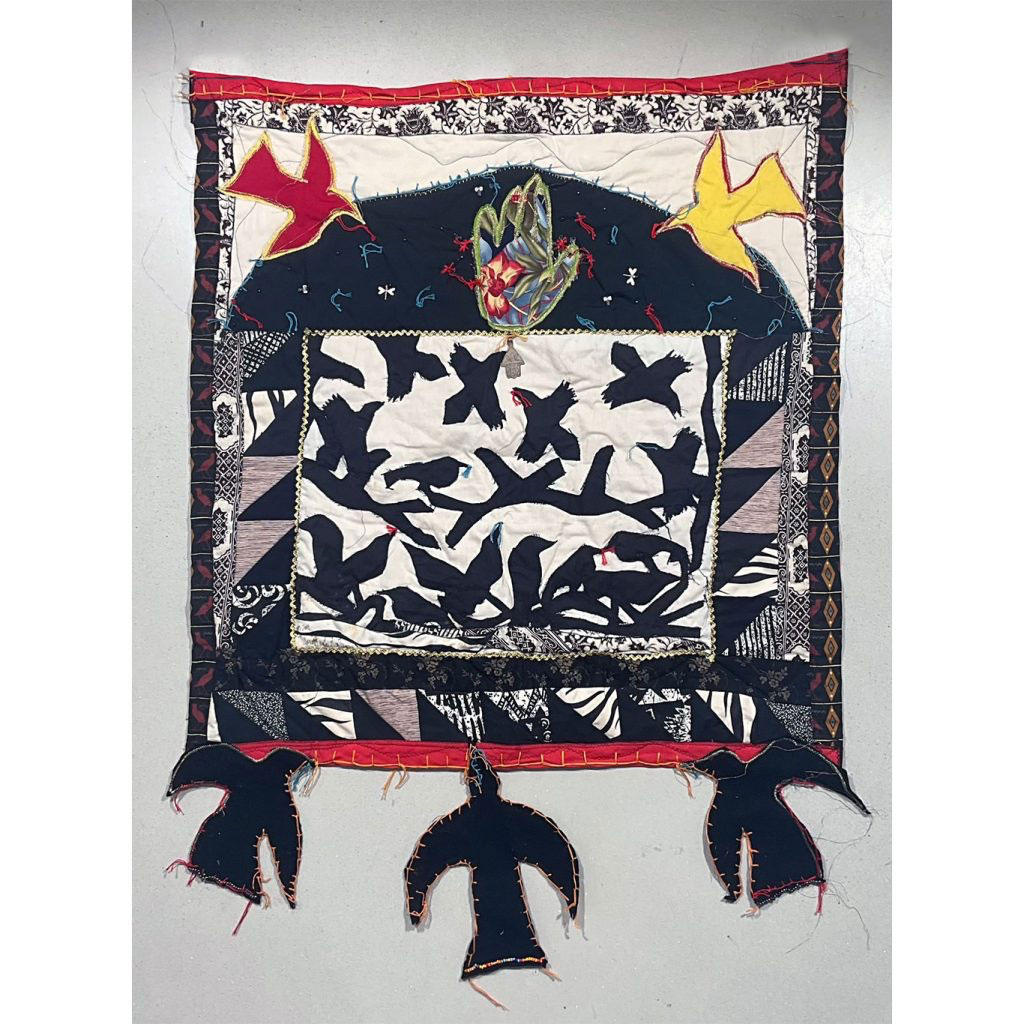
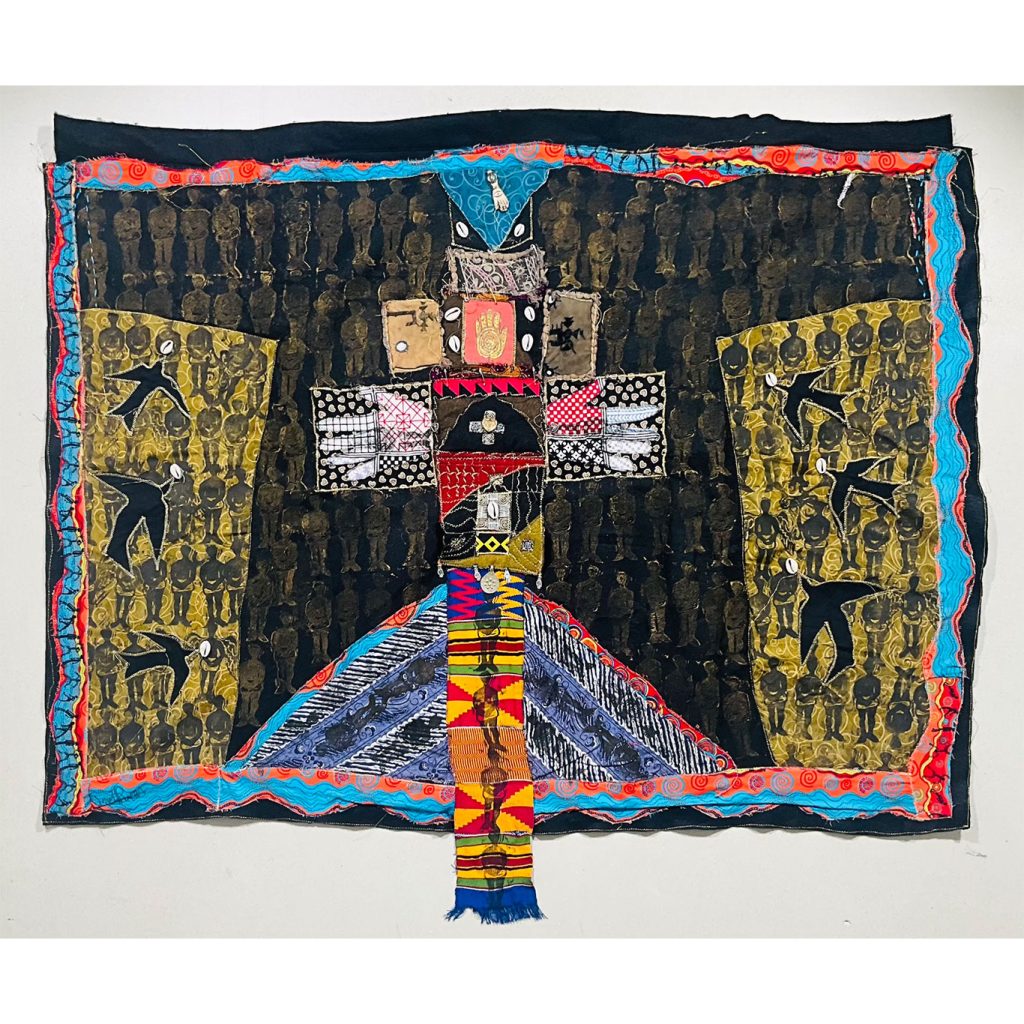
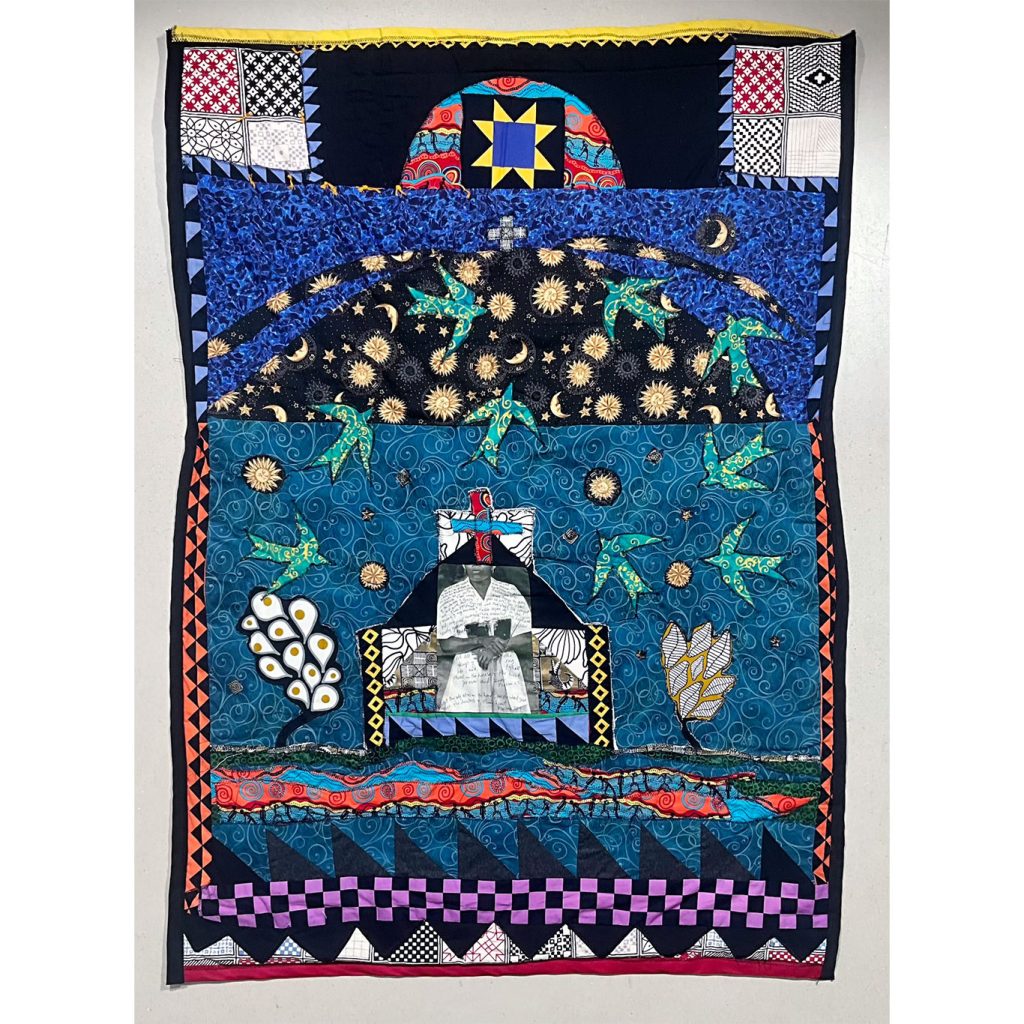
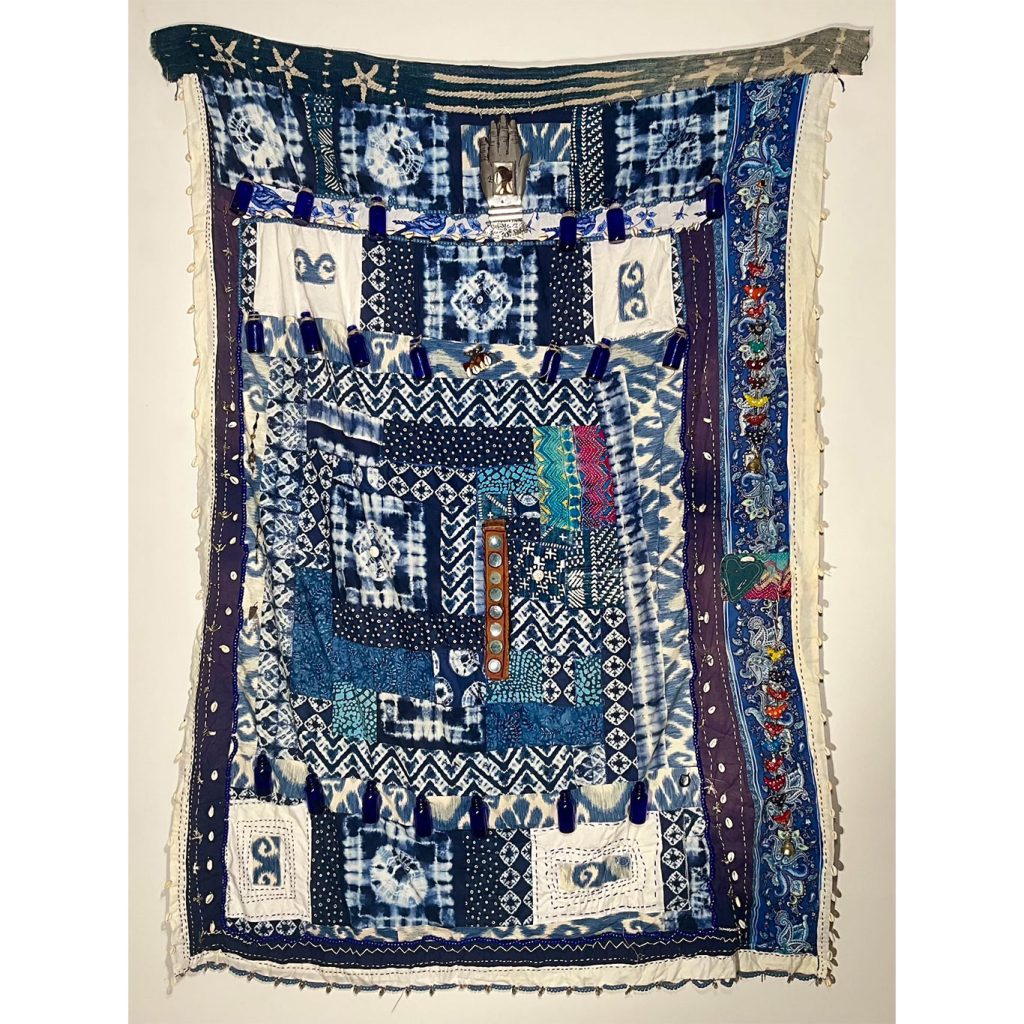
Janet Taylor Pickett’s fabric constructions commenced in the early 1990s, featuring imagery that was deeply personal yet accessible. Her work investigated themes related to ecology, motherhood, and transcendence. A profound sense of loss prompted her to reconsider what truly matters in a well-lived life. An aphorism reinforced her conviction in navigating adversity to discover what is life-affirming. These works resonate as familiar and inviting, illustrating connections that evoke the past and paving the way with new materials and directions. CONJURE provides a succinct overview of Taylor Pickett’s fabric constructions from 1993 to 2022.

Memory serves as a living metaphor in Taylor Pickett’s art. In 1991, she took part in a workshop at the Vermont Studio Center with the renowned Color Field and abstractionist painter Sam Gilliam. Inspired by his innovative use of beveled edges and drapes over paintings, Taylor Pickett was encouraged to go beyond flat surfaces and include sculptural elements in her work. As a result, she created compelling, grommet-mural pieces. In January 1993, her father passed away; he was like a tall oak tree whom she admired and loved. On a clear autumn morning in November 1996, her mother also passed away; she was a guiding presence in Taylor Pickett’s signature visual motifs: fabrics, botanicals, birds, and flowers. As an only child, the loss of her parents marked a major turning point in her life and lowered her vitality, leading to a creative block.

The 1990s brought significant changes to Taylor Pickett’s life and her artistic journey; the concept of memory became central to her creative work. When she experienced painter’s block, she turned to fabric as a form of expression. Influences from Romare Bearden, Henri Matisse—her artistic predecessors—and her paternal grandmother, a quilter, inspired her fabric art. Quilting, a calming and comforting craft, helped Taylor Pickett transform her grief into a healing experience. Through sewing and stitching, her grief becomes a nourishing and joyful legacy that guides her forward.

CONJURE, a collection of fabric constructions, aims to document the artist’s ongoing journey of self-actualization—“homing.” Surrounded by vibrant colors, tendrils of flora, and intricate textiles, the subjects in Janet Taylor Pickett’s work dominate their lively environment, commanding the frame as the essential element in each fabric piece. It draws inspiration from actively shaping and refining memories into a comforting space for the mind, which the artist’s personal geography—the self-landscape of memory—reveals.

Categories: exhibitions

Tags:

Sue McNally featured in the Maier Museum of Art

maier museum logo

THE AUDACITY OF PAINT:

CONTEMPORARY AMERICAN PAINTING

October 19, 2025 – March 8, 2026

The Maier Museum of Art at Randolph College

THE 114TH ANNUAL EXHIBITION OF CONTEMPORARY ART: The Audacity of Paint features work by contemporary American artists whose primary medium is paint. The exhibition includes work by Sally Egbert, Julia Jo, Sue McNally, and Walter Price, celebrating the resiliency and power of paint as a medium in the context of the AI tsunami in which we live. Within this technological milieu, paint persists with its sensual qualities and malleable, human mark-making – audacious not only in its refusal to defer to digital modes, but also in its ability to express impractical joy. Audacious like Woody Guthrie’s guitar and like the artists themselves, who dare to paint “at a time like this.”  The 114th is a return to the origins of the Annual Exhibition. For the first 50 years of the series, exhibitions were made up almost entirely of paintings. Since then, exhibitions have highlighted the expanding breadth of media practiced by contemporary American artists. The Audacity of Paint is the first Annual in almost 30 years to focus exclusively on painting.

Artist:

Sue McNally

Related

maier museum logo

Sue McNally featured in the Maier Museum of Art

October 19, 2025 - March 8, 2026
Sue McNally THIS IS MY TUNE

SUE MCNALLY

THIS IS MY TUNE
August 16 - October 27, 2025
Sue McNally Jaye Moon Janet Taylor Pickett

PARADE

June 2025
Sue McNally My Winter Wall, 2025 Acrylic on canvas, 16 x 20 inches

SUE MCNALLY

February - March, 2025

Categories: news

Tags: